 Biosecurity in Transit: How Veri-Clean® Protects Vaccines and Reproductive Materials
The outcomes of animal health vaccine programs, veterinary networks, and breeding operations depend on precision. Within these facilities, biosecurity protocols guide every action, and teams continuously monitor conditions. Everyone understands that dosage potency and genetic integrity hang in the balance, so nothing is left to chance. But the moment materials leave those walls, the equation changes.
The safeguards your team relies on to protect biosecurity don’t transition to the transport journey. You ensure your equipment is clean and in working condition, but is that true of your chosen shipping system? If contamination occurs or a shipper underperforms, the impact extends far beyond a single shipment. Trial materials lose viability. Vaccine batches arrive unusable. Breeding cycles shift. And as programs grow, those risks compound.
Closing this gap requires a shift in how teams think about transport since it plays an important role in a controlled, systemic approach to biosecurity. Most animal health programs apply rigorous standards within their facilities, yet those expectations often drop during transit (where variability is highest and oversight is limited). That disconnect introduces vulnerabilities that are difficult to detect unless materials arrive compromised. Strengthening the biosecurity chain means verifying the condition of every shipping system through intentional requalification, validated cleaning, and continuous monitoring before deployment. Without that rigor, transport remains a structural weak point that can undermine material integrity and program credibility.
A Global Industry with Growing Biosecurity Complexity
Expansion to additional sites and regions is a sign of a thriving operation, but growth comes with added touchpoints that introduce strain on your biosecurity chain. Global vaccine distribution and international breeding programs move materials through environments that are nothing like a controlled lab or farm setting. Airport cargo holds, truck beds, and transfer stations place material in the hands of additional personnel outside your operations. Weather conditions can shift almost instantaneously and heat or cool your materials past viable temperatures. Suddenly, the biosecurity chain you built relies heavily on the shipping system itself to maintain safe conditions. This means that one temperature excursion or overlooked quality standard could derail your months (or even years) of planning.
Even with these high risks, the animal health industry lacks clear standards for universal cleaning and requalification of shipping systems. Instead, a shipper’s integrity is mostly assumed rather than confirmed. It’s not common for transport providers to test that their equipment and shipping systems operate to performance standards before they package your material, and cleaning the system between uses isn’t standard practice. Without safeguards, providers could load genetic material into systems that haven’t been requalified in years and can no longer maintain temperature. Vaccines may go into systems carrying residual biological material and risk cross-contaminating batches. And damage inflicted during transport is often only noticed upon arrival, when teams don’t have the time or additional resources to correct gaps and stay on schedule.
You shouldn’t have to guess whether the equipment and processes designed to protect your materials can do its job. Cryoport Systems eliminates that uncertainty. We designed our requalification and disinfection processes using ISO 21973 guidance, the global standard for transporting living cells intended for therapeutic use, and reinforce those principles through the Chain of Compliance®.
With this system, our goal is straightforward. We ensure that shipping systems consistently uphold, not compromise, your biosecurity chain.
Veri-Clean® and Requalification: Practical Safeguards Built into Every Shipment
Our process starts with Veri-Clean, our validated cleaning and disinfection process supported by a third-party accredited laboratory. Veri-Clean addresses a question pertinent to animal health programs. What remains inside a shipping system after its previous use? With Veri-Clean, the answer is simple. Nothing.
Veri-Clean virtually eliminates cross-contamination risks across all our shipping systems and stainless-steel accessories. It reduces environmental flora (including bacteria, fungi, and viruses) by 99.9999%. Our teams manually verify that no residual material remains on or in a system before deployment. For veterinary networks distributing vaccines, even trace biological residue can compromise vaccine integrity and force clinics to discard doses. Veri-Clean is the only system of its kind in the industry. Its coverage protects your batches to preserve immunization schedules and the trust built between clinics and their clients.
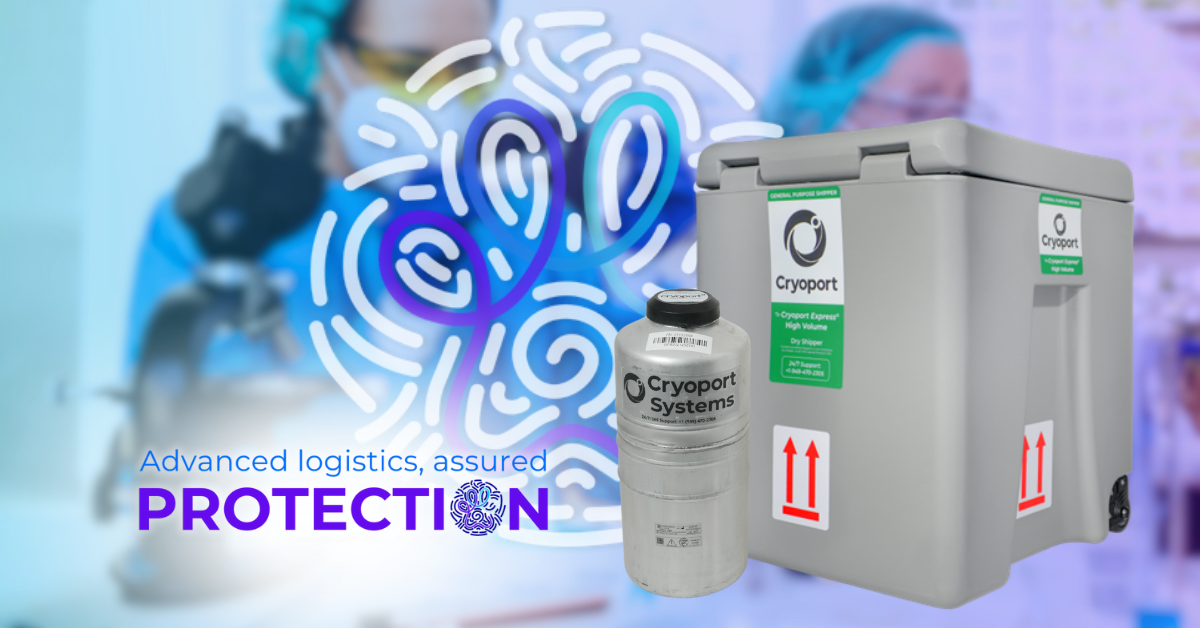
Cleaning alone, however, is not enough. After disinfection, each shipper enters a structured requalification process that confirms both thermal and physical performance. Our teams test and verify the shipping system’s nitrogen evaporation rate and liquid nitrogen levels to ensure validated hold times remain intact. Then our technicians properly charge and stage each unit and inspect internal and external components for damage or wear. In the final stage of this process, quality personnel confirm documentation accuracy, including bill of materials and handling specifications. Only shipping systems that meet every requirement return to active deployment, and we immediately remove equipment that falls short from the fleet. For breeding programs, this rigor protects genetic value at a vulnerable stage of the process. Your materials are moved in shipping systems verified for integrity and arrive viable for insemination, leaving nothing up to chance.
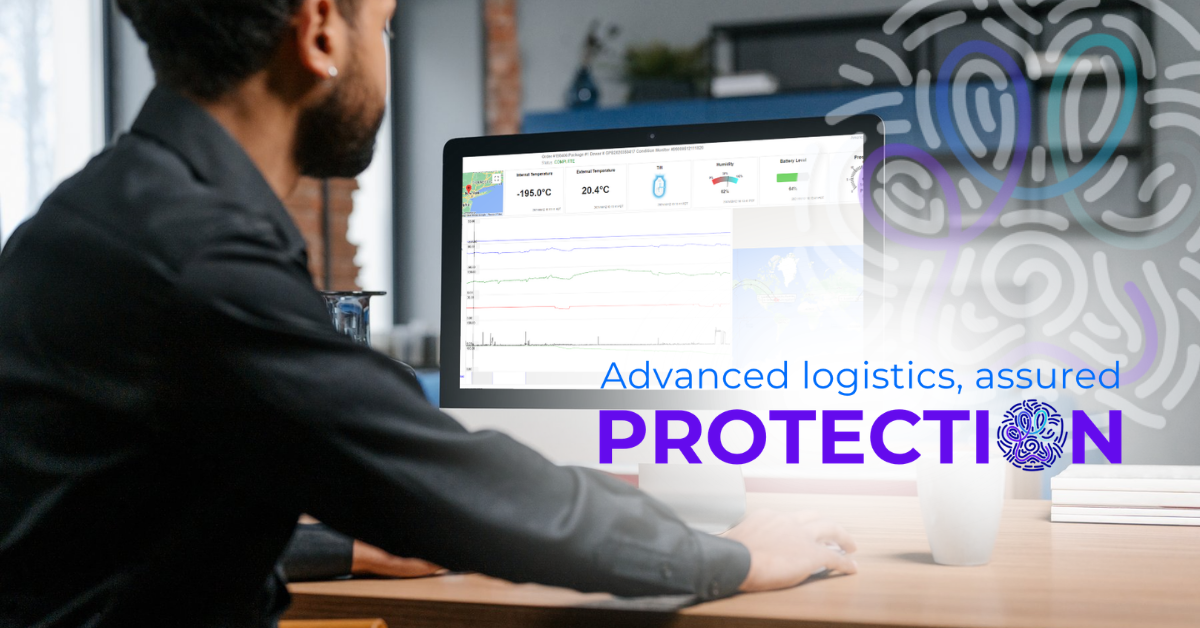
Knowing that Veri-Clean and requalification have solidified a shipping system’s performance is great for peace of mind, but compliance necessitates physical proof of performance. Our Chain of Compliance® framework extends oversight of these solutions and all transport processes to your team. Validation records are compiled before the shipper is delivered to you for loading. Then, during shipment, each system’s integrated Smartpak™ condition monitoring system captures environmental data, including temperature, location, tilt, and other key indicators. These metrics automatically sync to the Cryoportal® logistics management platform and can be accessed throughout shipment. After delivery, data is compiled into comprehensive reports that show the shipping system’s performance and material conditions throughout transit. For programs operating under strict regulatory scrutiny, extended documentation from end-to-end gives teams auditable evidence that materials stayed within defined parameters that align with your internal quality standards. In an environment where operational readiness influences investment decisions, that transparency reinforces your program’s credibility.
The Tangible Benefits of Extending Biosecurity into Transit
When transport is predictable and consistently verified, it becomes a foundation for growth rather than a source of risk. Cryoport Systems helps programs scale without worrying that expanded volumes will compromise materials or timelines.
For veterinary networks, this means rolling out larger vaccine distribution programs across multiple regions while maintaining on-time delivery. Breeding operations can move genetic material across regions with confidence, and biotherapeutic developers can focus on advancing their clinical trials, knowing their transport strategy is maintaining consistent documentation across handoffs to support regulatory filings.
The result is scalability designed to reinforce your biosecurity chain. Every shipping system is secure, all material types remain viable, and every new phase is backed by verified data. Growth can then happen at your pace, not under the constraints of troubleshooting preventable transport failures.
Strengthening biosecurity during transit is ultimately about protecting the continuity of animal health programs. Verified disinfection, documented shipper integrity, and continuous oversight transform transit from a potential point of failure into a controlled extension of your managed system, seamlessly supporting your program goals. As the industry grows more complex and interconnected, organizations that proactively treat transit as a controlled biosecurity environment are best positioned to safeguard material integrity, uphold program reliability, and meet rising expectations across the animal health ecosystem.