Risk Mitigation as Strategy: Why Prevention Pays in Animal Health Logistics
New therapeutic developments and technologies are constantly on the horizon of the animal health industry. Many organizations working on regenerative medicines, reproductive technologies, biologics, vaccines, and advanced therapies face challenges when they begin to expand and commercialize. These programs heavily rely on supply chain partners to move their biologics through clinical stages and distribution, and that’s where many run into challenges. Transporting sensitive materials can lead to contamination, delays, or operational costs, if not properly handled.
Companies can set themselves up for a more successful and seamless commercial outcome by prioritizing risk prevention protocols from the outset.
Prevention Costs Are Worth the Investment
A proactive strategy beats reactive problem-solving. Costs are a high priority for many clinical programs, and there is a price to be paid when avoidable outcomes arise due to a lack of preparation. For many programs, the cost isn’t a small one — timeline delays, repeated trials, unclear documentation, excursions, or contaminated materials have a ripple effect, especially when working across global sites. Instead of waiting until variability comes up, investing resources in prevention strategies is optimal.
Comprehensive risk mitigation also goes hand in hand with a solid quality framework. Mapping clear preparation strategies not only averts the cost of unnecessary errors and predictable risks but also improves overall operational efficiency. Any animal health company that considers risk throughout the entire supply chain will, as a result, already be strategizing ways to strengthen their program’s end-to-end functionality.
Understanding the Integrated Safeguards Needed for Successful Risk Mitigation
When making risk mitigation a high priority for your animal health program, it can be unclear where that strategy begins and what it entails.
As an experienced supply chain partner and industry leader, Cryoport Systems has spent decades developing a masterful approach to advanced therapy logistics. Our teams have established an integrated quality framework that keeps regulatory compliance, traceability, consistency, documentation, and risk prevention top of mind.
As the first supply chain company to receive ISO 21973 certification, Cryoport Systems redefined industry expectations for adhering to a rigorous framework when shipping live cells and other sensitive materials. All processes follow strict operating procedures to maintain full compliance with ISO 21973 standards.
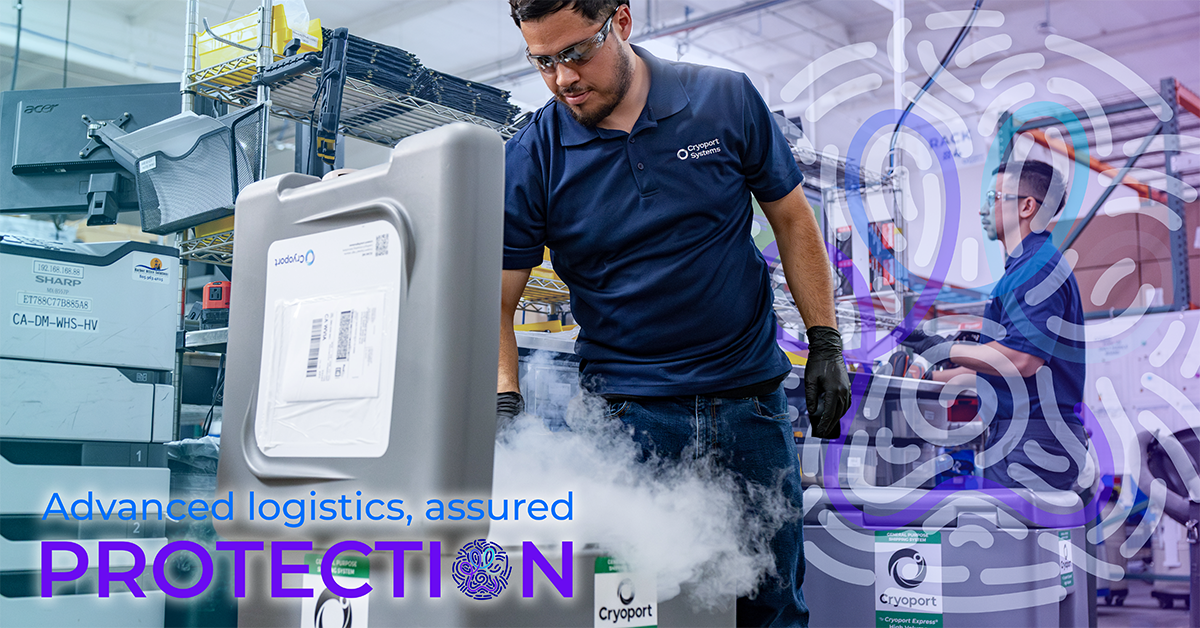
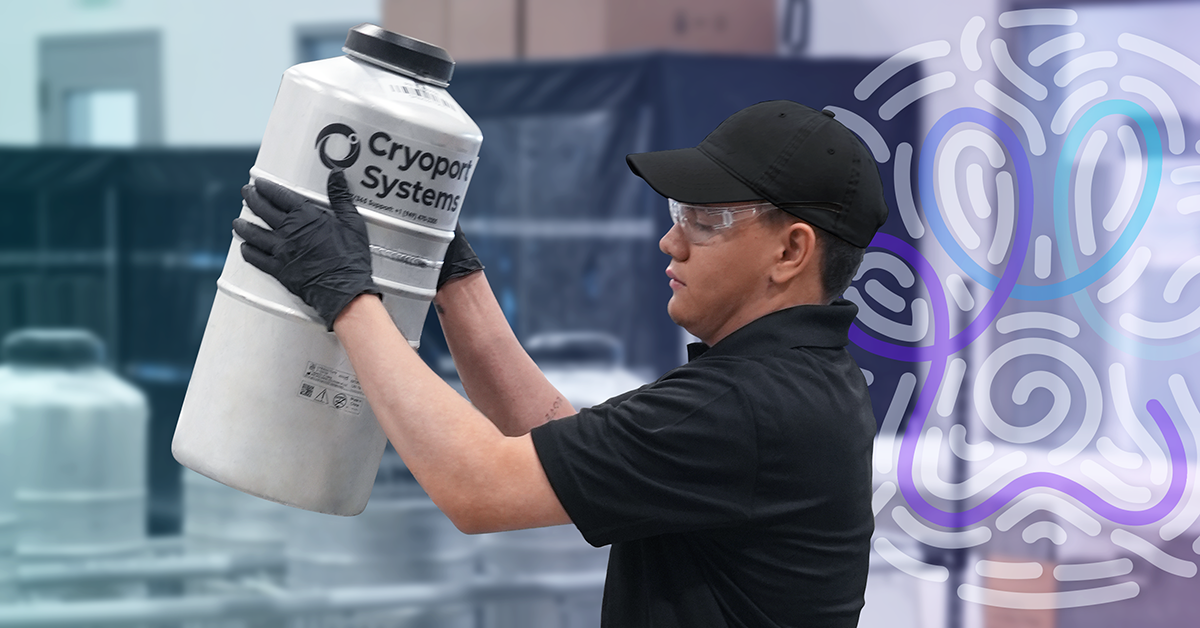
Every shipping system in our supply chain is validated and requalified to meet performance expectations and avoid variability. To confirm thermal readiness and system stability, shippers undergo a comprehensive physical inspection, LN2 capacity testing, and minimum hold time verification. Any shipper that does not pass is removed from the fleet. After final QA and removal of any shipper not passing protocol, Cryoport Systems uses Veri-Clean®, a proprietary disinfection and cleaning procedure. Veri-Clean was developed to remove any risk of cross-contamination, achieving a 99.99% reduction in biological contaminants such as bacteria, viruses, and fungi.
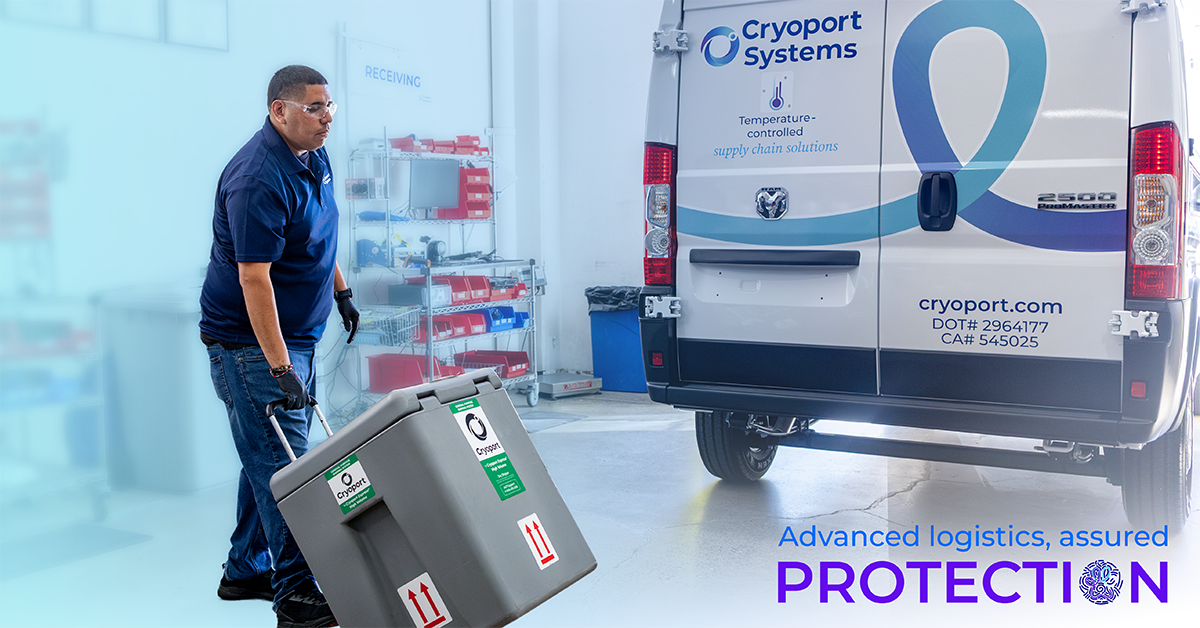
Another key part of the integrated quality framework is ensuring that shipping routes are suitable prior to transportation via shipping lane qualifications. Because many shipments include sensitive, temperature-controlled materials, avoiding changing conditions and risks wherever possible is crucial. As part of our Consulting services, we create a detailed analysis to select the most efficient routes for shipments, reducing delays or product damage. We also maintain continual visibility during transportation to make new recommendations whenever they are necessary for a safer and more efficient route.
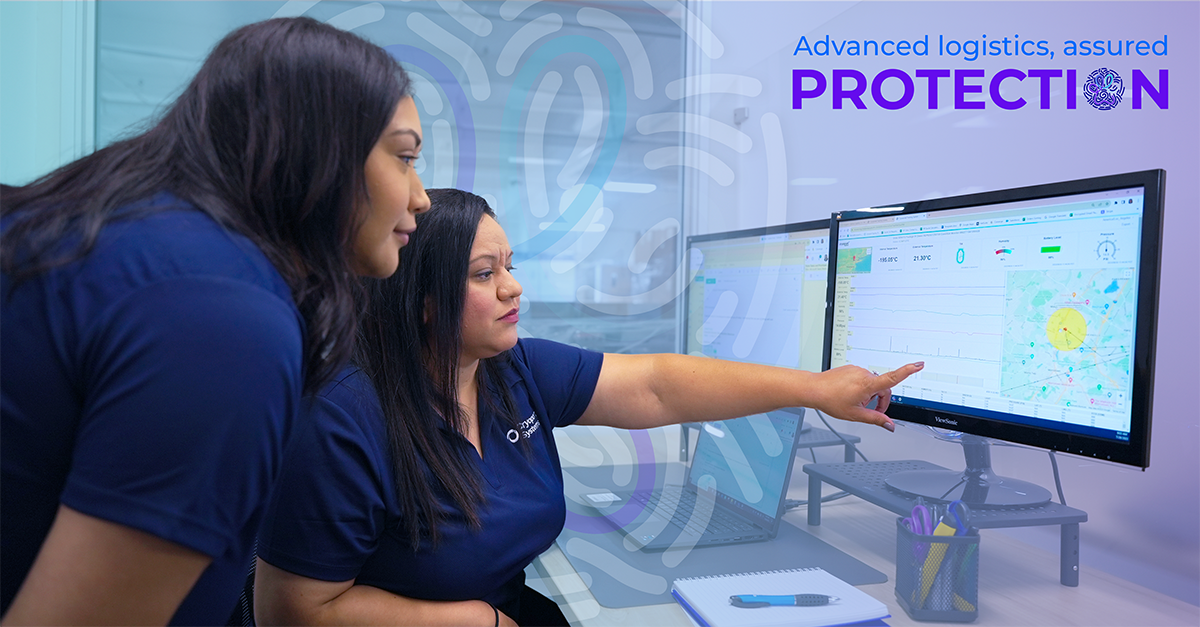
To support full end-to-end visibility, all of our shipments are continuously monitored through our Cryoportal®. During transit, our teams have 24/7 awareness of all conditions, including geolocation, internal and external temperature, tilt, shock, and other parameters.
All of these elements have been carefully thought out to provide full insight into the safety of the shipment, avoiding contamination risks and route delays when possible. Instead of regular checkpoints, our system ensures continuous awareness and proper preplanning, so we are proactively looking out for and preventing risk, rather than reacting to it. And even when a reaction is necessary, there are established procedures to follow, saving organizational time and resources.
Protect Your Animal Health Program’s Integrity with Proper Preparation
Whether your animal health company is developing a vaccine, biologic, advanced therapy, or moving reproductive materials, the program is likely driven by a range of goals. These may include improving health outcomes, advancing scientific innovation and new technologies, and achieving the commercial objectives needed to support continued growth and development. With all of these considerations, protecting sensitive materials and reducing risk throughout the process is essential.
As you plan commercialization in early stages, make sure you are also considering the best options to mitigate risk. With the right supply chain partner, you can simplify a complicated field of unknown variables. Cryoport Systems has established a reliable framework to ship temperature-sensitive materials, verifying that all shippers are clean and decontaminated, every route is mapped out for optimal and safe transit, and each shipment is traceable through the entire process with continuous monitoring.
We know how important it is to protect sensitive materials, which is why we do not simply view the shipping system as moving an item from Point A to Point B. A successful supply chain has a thorough network of safety verifications, efficiency strategies, and careful preparations to mitigate risk and protect the valuable animal health materials that are paving the way for tomorrow’s solutions and innovations.