A Conversation with Yashu Sarna, President of PDA West Coast Chapter
At this year’s PDA (Parenteral Drug Association) West Coast Chapter conference in Las Vegas, leaders across quality, manufacturing, and operations came together to discuss digital transformation and the evolving demands facing the biopharmaceutical industry. While technologies and systems were certainly part of the conversation, the bigger theme (echoed both on stage and in hallway conversations) was how digital transformation is increasingly being viewed as a lever for optimization across the entire product lifecycle, from early clinical development through commercialization, and part of a broader structural shift in how work gets done.
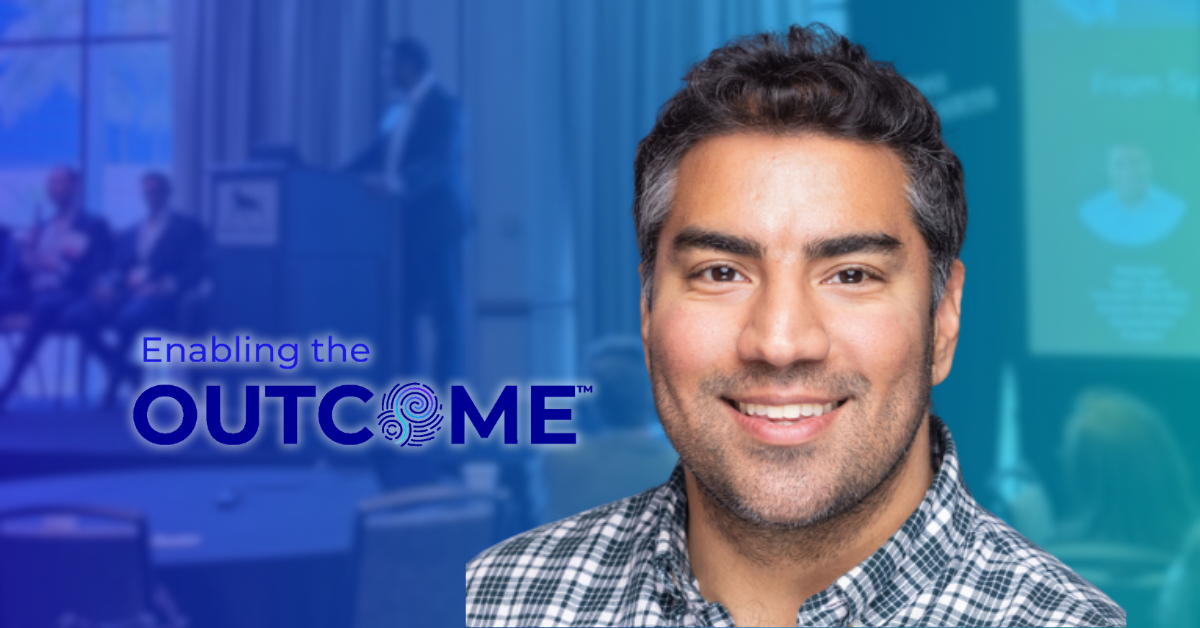
We spoke with Yashu Sarna, President of the PDA West Coast Chapter and Director of Business Development, Cryopreservation at Cryoport Systems, about what the conference revealed, how those insights align with what he’s seeing across the market, and where the industry appears to be heading next.
Q: Stepping back from any single topic, how would you characterize the tone of the conference overall?
YS: The tone was very grounded and execution-focused, which feels like a real shift compared to a few years ago. There was much less emphasis on aspirational futures and far more discussion about what organizations are actually trying to operationalize today (and where they’re running into friction).
What really stood out to me was the recognition that biopharma is being asked to operate with greater consistency and speed, often on infrastructures that weren’t designed for that level of scale or interdependence. That reality is forcing some honest self-assessment across the industry.
Q: What do you think the conference revealed about the broader state of the industry right now?
YS: We’re seeing a shift from growth driven primarily by discovery to growth that depends on operational maturity.
Scientific innovation remains essential, but it’s no longer enough on its own. Organizations are realizing that their ability to scale while maintaining quality under pressure and adapting to regulatory and market demands is now a differentiator. That requires stronger operating models with clear ownership and better integration across functions.
Q: You engage with a wide range of companies through your role in business development at Cryoport Systems, particularly around IntegriCell® cryopreservation. Do the themes from the conference align with what you’re seeing in the field?
YS: Very much so. The conversations at the conference mirrored what I hear regularly from organizations across different stages of development.
As programs advance, complexity increases – whether that’s in process handoffs or data confidence, or in ensuring critical materials are handled consistently across sites and partners. In the context of cryopreservation, for example, teams are thinking much more holistically about future operational constraints and the need to decouple collections from manufacturing because the downstream impact as trials move into Phase II or Phase III is so high.
What the conference reinforced is that these challenges aren’t isolated, they’re systemic. And that’s encouraging, because it means the industry can learn collectively rather than each organization trying to solve the same problems in parallel.
Q: Trust and accountability came up frequently during the discussions. Why do these themes resonate so strongly right now?
YS: Because the cost of ambiguity has gone up.
As operations become more interconnected and timelines continue to compress, there’s far less tolerance for unclear decision-making or fragmented responsibility. Whether you’re talking about quality systems, manufacturing execution, or supply chain continuity, leaders need confidence that processes are owned and defensible.
From both a customer and regulatory perspective, the expectation is shifting toward operational clarity. Not just compliance for compliance’s sake, but intentional, well-designed processes that organizations can stand behind.
Q: What challenges do organizations tend to underestimate as they modernize?
YS: The human transition. Technology and process changes are visible. Cultural change is not. Teams need time, context, and psychological safety to adapt, especially experienced professionals who’ve seen multiple waves of “transformation” initiatives come and go.
With so much focus today on digital transformation and AI, this tension is playing out in real time. When the human element is underestimated, organizations struggle to unlock the full value of any operational investment, regardless of how strong the technology may be.
Q: From both a leadership and market perspective, what differentiates organizations that move forward successfully?
YS: It’s a combination of clarity and commitment, I think.
Organizations that succeed are decisive about how they want to operate and willing to align leadership and systems accordingly. Change isn’t treated as a pilot program or side initiative, it becomes part of the operating fabric.
That consistency builds trust internally and externally. Over time, it creates a much stronger foundation for sustainable growth.
Q: As President of the PDA West Coast Chapter, how do you see the chapter’s role in this moment for the industry?
YS: Our role is to facilitate honest, experience-driven dialogue. PDA West Coast Chapter creates a forum where people can speak openly about what’s working, what isn’t, and what they’re still navigating. That kind of exchange is invaluable, especially as industry complexity increases and the stakes continue to rise.
The cross-functional engagement we’re seeing, conversations that cross quality, operations, manufacturing, and leadership, gives me real confidence. These challenges are being worked through collectively rather than in silos.
Q: Looking ahead, what are you the most optimistic about?
YS: I’m optimistic about the maturity of the industry’s mindset.
Biopharma is moving away from chasing isolated solutions and toward building adaptable operating models that can support scientific progress at scale. That evolution doesn’t happen overnight, but the depth and honesty of the conversations we’re having at this conference and across the industry suggest we’re moving in the right direction.
Yashu’s perspective reflects a broader shift underway in biopharma, one where operational intent and integration are becoming just as critical to success as scientific breakthroughs. As organizations continue to scale and complexity increases, these conversations that are grounded in experience rather than theory will play an essential role in shaping what comes next. Our sincere thanks to Yashu Sarna for sharing his insights.