
Supply Chain Archives

Managing the Cold Chain
07/07/2026
Expand Trial Footprints Without Expanding Cryopreservation Risk
For many cell therapy programs, the move from fresh to frozen starting material is treated as the moment when variability starts to come under control. And in many ways, that’s true. Fresh leukapheresis-derived starting material is inherently difficult to build around. It is biologically active, time-sensitive, and highly dependent on how quickly and consistently it can move from collection into the next step of the process. Even under strong operational oversight, additional variables around timing, handling, transport duration, pre-processing wait time, and local execution can all influence the condition of the material before manufacturing ever begins.
Managing the Cold Chain
07/07/2026
When Local Variation Becomes Global Risk in Phase III
By the time an advanced therapy program reaches Phase III, the supply chain is no longer being judged only by whether material can move from one point to another. It is being judged by whether that movement can be repeated across sites, regions, service providers, and regulatory environments in a way that produces a consistent and defensible record of execution.
Managing the Cold Chain
07/07/2026
“Regulatory Readiness is Built Early” and Other Lessons for CGT Developers
Advanced therapy developers are used to making hard decisions under pressure. In early development, the priority is often clear: reach the clinic, generate meaningful data, and keep the program moving. This was the central theme of the recent webinar, “Prevent Advanced Therapy Program Delays with Early Supply Chain Strategy.” The expert panel explored why early supply chain decisions deserve strategic attention long before a program reaches pivotal trials or filing preparation.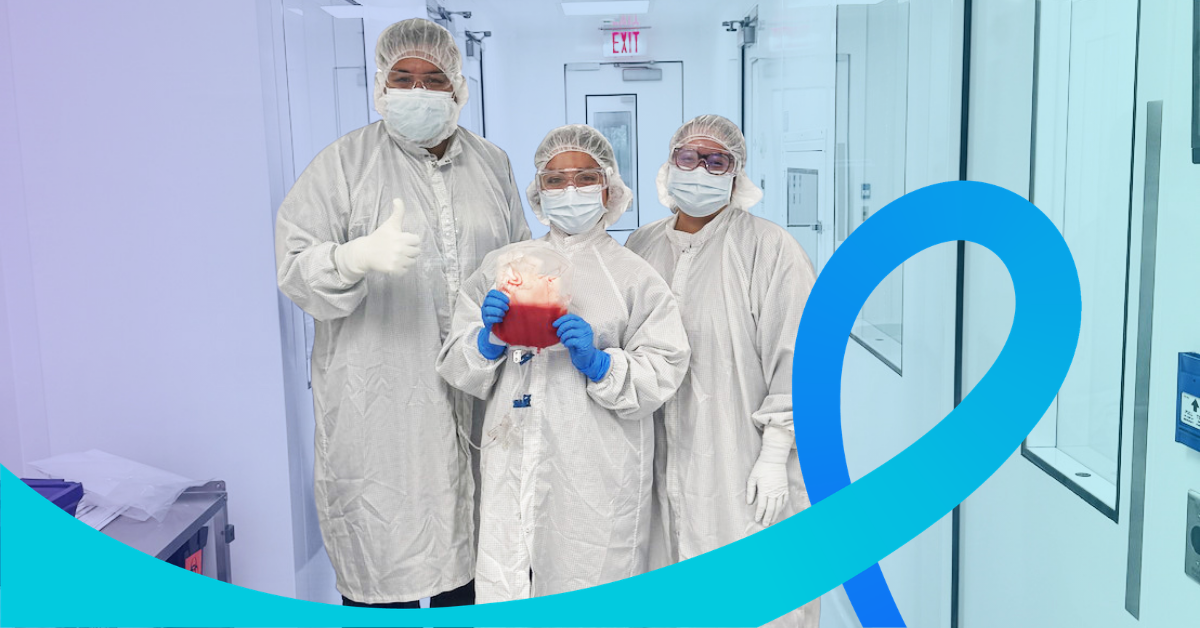
Managing the Cold Chain
06/10/2026
Accelerate Efficiency by Decoupling Collection from Manufacturing
For many cell therapy programs, there comes a point where the manufacturing schedule stops behaving like a schedule and starts behaving more like a coordinated hold on capacity, something that can only really be maximized when collection, clinic coordination, material movement, intake, and suite readiness all happen to line up tightly enough around fresh leukapheresis-derived starting material to keep the window intact.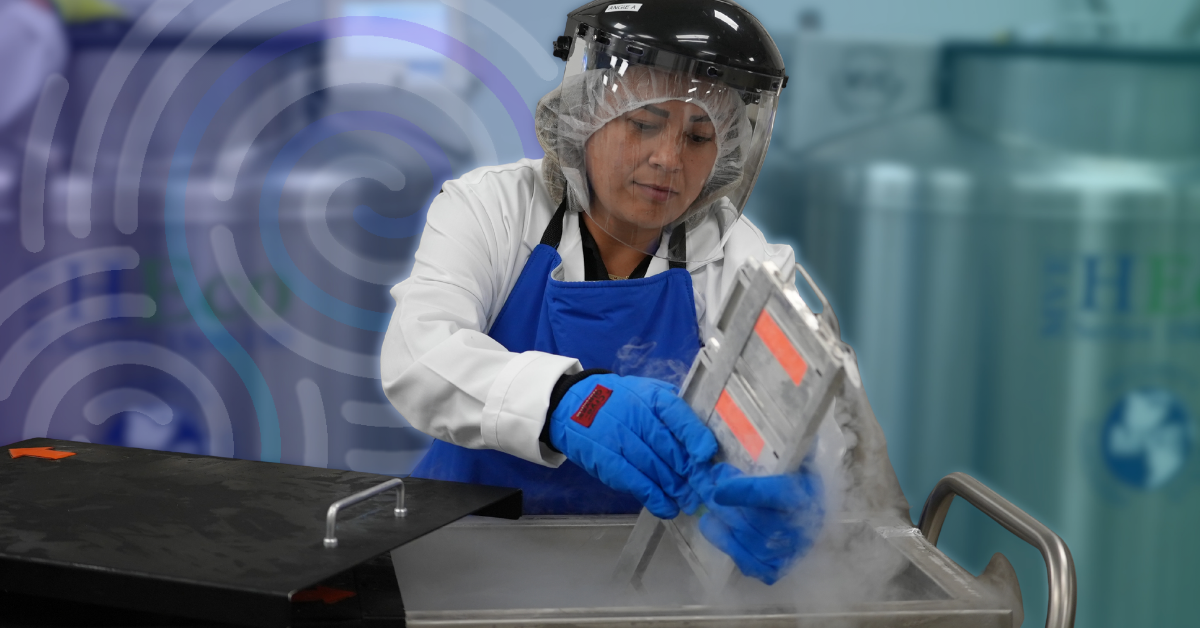
Managing the Cold Chain
06/09/2026
How Operational Efficiency Shapes Late-Phase Manufacturability
For many advanced therapy programs, there’s a moment when the program looks like it should be able to scale cleanly, and it just... doesn’t. Not in an obvious way that can be recognized and addressed in the moment, but in the introduction of small measures of friction when the schedule doesn’t align the way it was intended to, or where time is introduced in places where it shouldn’t be.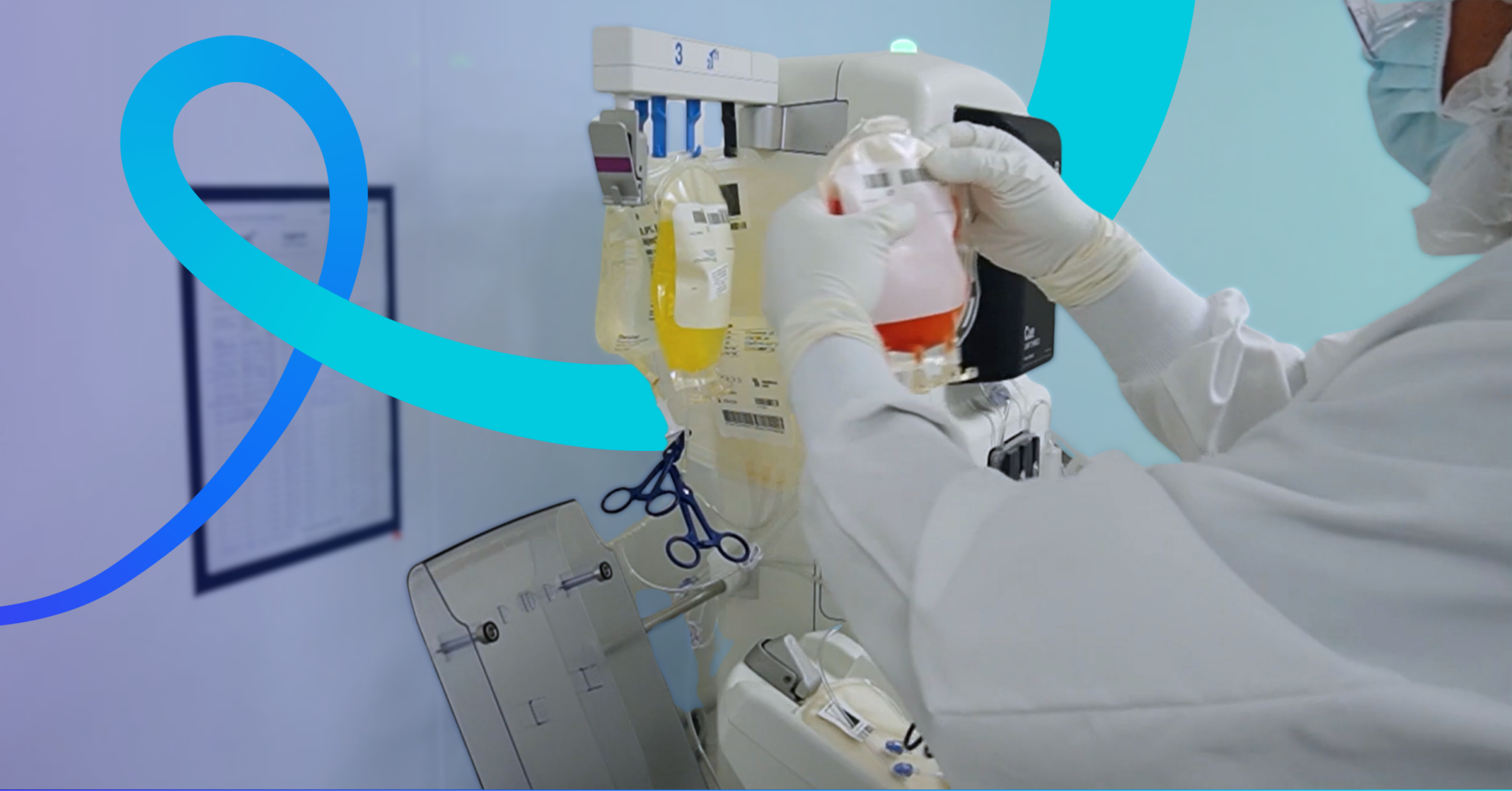
Managing the Cold Chain
05/18/2026
Integrate Cryopreservation into the End-to-End Supply Chain
Early‑phase therapy developers rarely think about cryopreservation as a standalone decision. In practice, it sits between collection and manufacturing, shaped by how material moves, how it is documented, and how responsibility is transferred from one group to the next. Despite that reality, cryopreservation is often implemented as a discrete step, managed separately from the rest of the supply chain that supports development execution. That separation may feel manageable early on. It becomes harder to sustain as programs progress.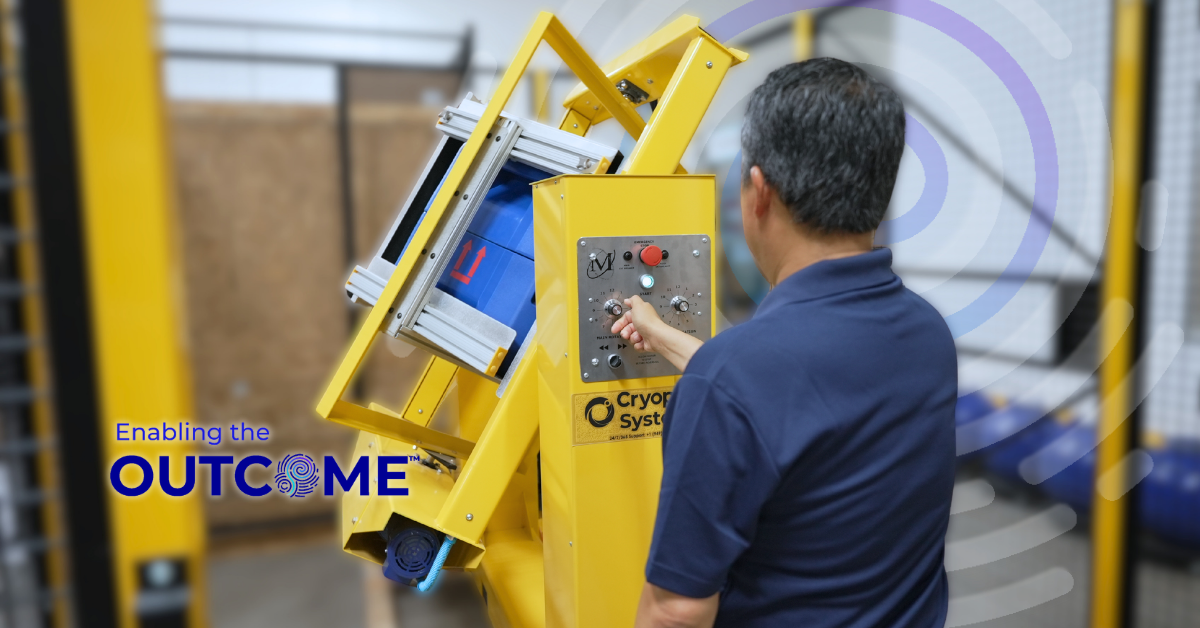
Managing the Cold Chain
05/12/2026
Why Risk Analysis and Lane Qualification Matter for Regulatory Confidence
As programs move from mid-phase into later development, expectations around compliance change in both scale and tone. Early filings may tolerate explanation, but later submissions expect evidence. Teams preparing for Phase II transitions, Phase III trials, or global commercialization begin to encounter a different level of scrutiny, where regulators are less interested in intent and more focused on whether processes behave consistently under real operating conditions.
Managing the Cold Chain
04/28/2026
A Conversation with Yashu Sarna, President of PDA West Coast Chapter
At this year’s PDA (Parenteral Drug Association) West Coast Chapter conference in Las Vegas, leaders across quality, manufacturing, and operations came together to discuss digital transformation and the evolving demands facing the biopharmaceutical industry. We spoke with Yashu Sarna, President of the PDA West Coast Chapter and Director of Business Development, Cryopreservation at Cryoport Systems, about what the conference revealed, how those insights align with what he’s seeing across the market, and where the industry appears to be heading next.
Managing the Cold Chain
04/21/2026