
Supply Chain Archives

Managing the Cold Chain
10/20/2026
Extended Manufacturability: Why Cryopreservation is a Commercial Enabler
For cell therapy developers approaching commercialization, manufacturing architecture is a strategic consideration. Decisions made early in the development phases regarding starting material sourcing, process design, storage strategy, and supply chain architecture begin to influence capacity planning, cost structures, operational flexibility, and ultimately patient access.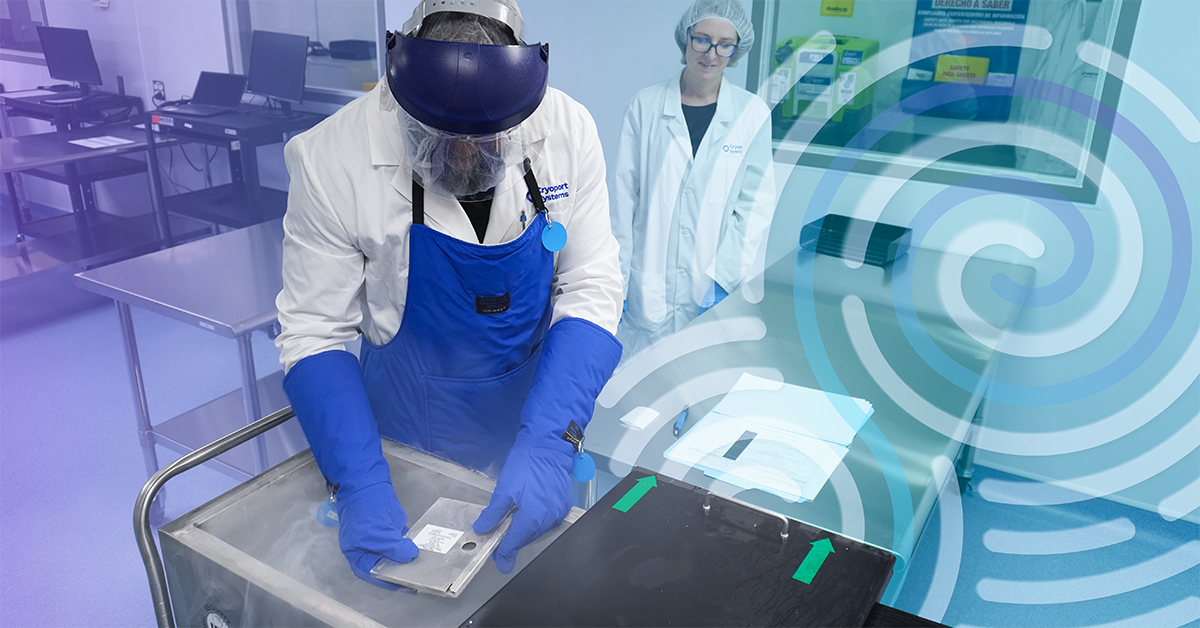
Supply Chain
09/18/2026
Align Cryopreservation Services with Regulatory Expectations Through Audit-Ready Process Design
Regulatory expectations become increasingly rigorous as cell and gene therapy programs progress from development into clinical trials and commercialization. Processes that were adequate during early-stage research are expected to withstand much greater scrutiny once an investigational new drug application (IND) is filed, clinical sites begin enrolling patients, or inspectors request documentation demonstrating process control.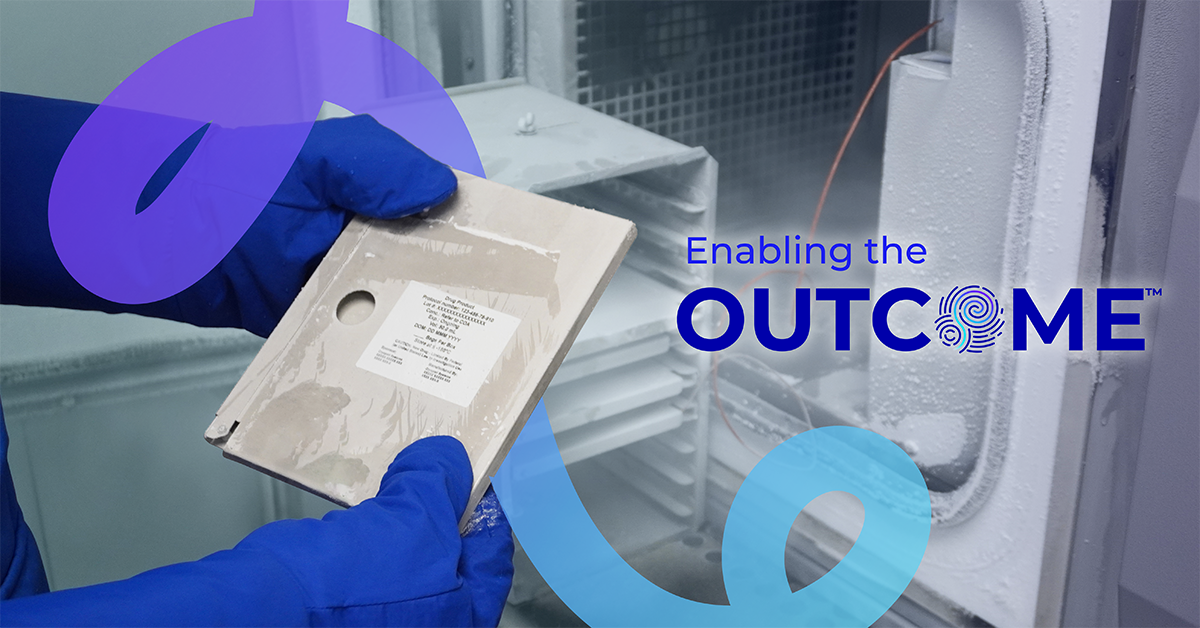
Supply Chain
08/03/2026
Streamline Cell Therapy Operations by Reducing Requalification
Advancing a cell therapy program into late-stage clinical development is an exciting milestone, but operationally complex. As organizations prepare to expand manufacturing capacity or onboard additional clinical sites, scaling operationally can be just as demanding as advancing the science. One of the most overlooked obstacles is requalification. While qualification activities are a necessary component of maintaining quality and regulatory compliance, repeated requalification events consume significant time and budget. Straightforward expansion efforts can quickly become a series of validation exercises and cross-functional reviews that extend timelines and increases costs.
Managing the Cold Chain
07/07/2026
Expand Trial Footprints Without Expanding Cryopreservation Risk
For many cell therapy programs, the move from fresh to frozen starting material is treated as the moment when variability starts to come under control. And in many ways, that’s true. Fresh leukapheresis-derived starting material is inherently difficult to build around. It is biologically active, time-sensitive, and highly dependent on how quickly and consistently it can move from collection into the next step of the process. Even under strong operational oversight, additional variables around timing, handling, transport duration, pre-processing wait time, and local execution can all influence the condition of the material before manufacturing ever begins.
Managing the Cold Chain
07/07/2026
“Regulatory Readiness is Built Early” and Other Lessons for CGT Developers
Advanced therapy developers are used to making hard decisions under pressure. In early development, the priority is often clear: reach the clinic, generate meaningful data, and keep the program moving. This was the central theme of the recent webinar, “Prevent Advanced Therapy Program Delays with Early Supply Chain Strategy.” The expert panel explored why early supply chain decisions deserve strategic attention long before a program reaches pivotal trials or filing preparation.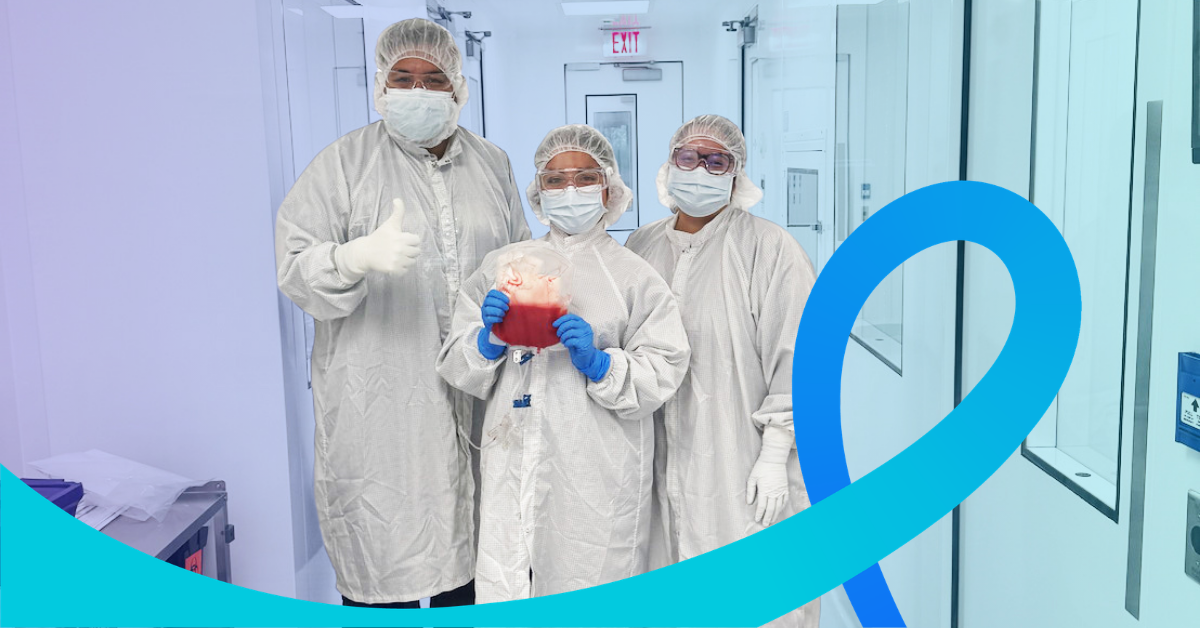
Managing the Cold Chain
06/10/2026
Accelerate Efficiency by Decoupling Collection from Manufacturing
For many cell therapy programs, there comes a point where the manufacturing schedule stops behaving like a schedule and starts behaving more like a coordinated hold on capacity, something that can only really be maximized when collection, clinic coordination, material movement, intake, and suite readiness all happen to line up tightly enough around fresh leukapheresis-derived starting material to keep the window intact.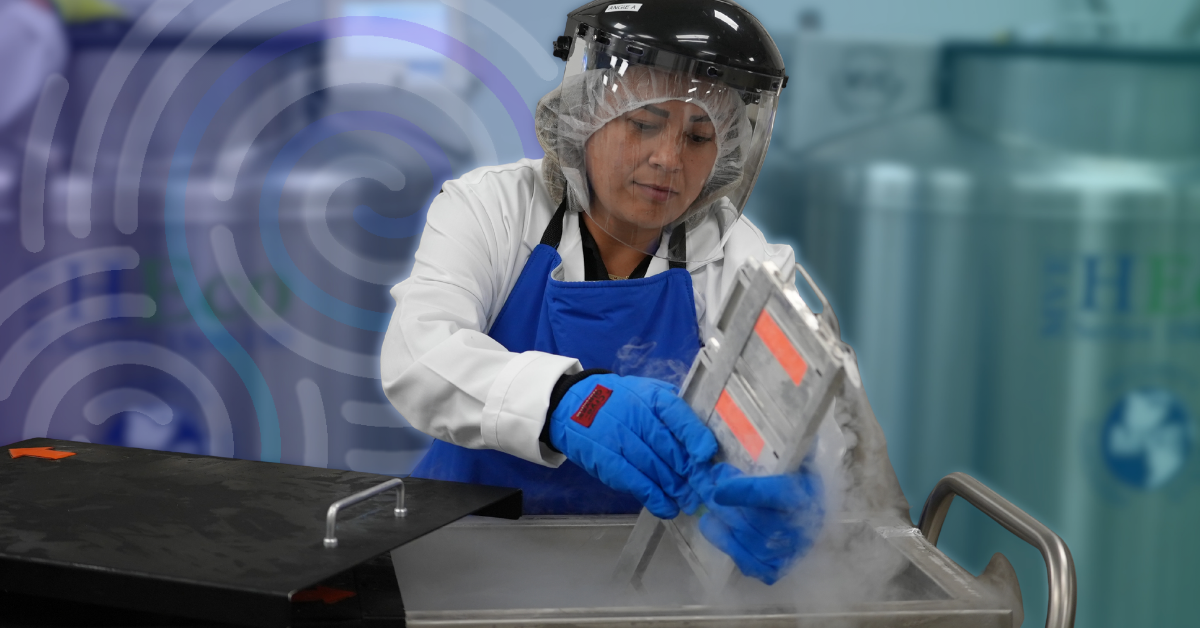
Managing the Cold Chain
06/09/2026
How Operational Efficiency Shapes Late-Phase Manufacturability
For many advanced therapy programs, there’s a moment when the program looks like it should be able to scale cleanly, and it just... doesn’t. Not in an obvious way that can be recognized and addressed in the moment, but in the introduction of small measures of friction when the schedule doesn’t align the way it was intended to, or where time is introduced in places where it shouldn’t be.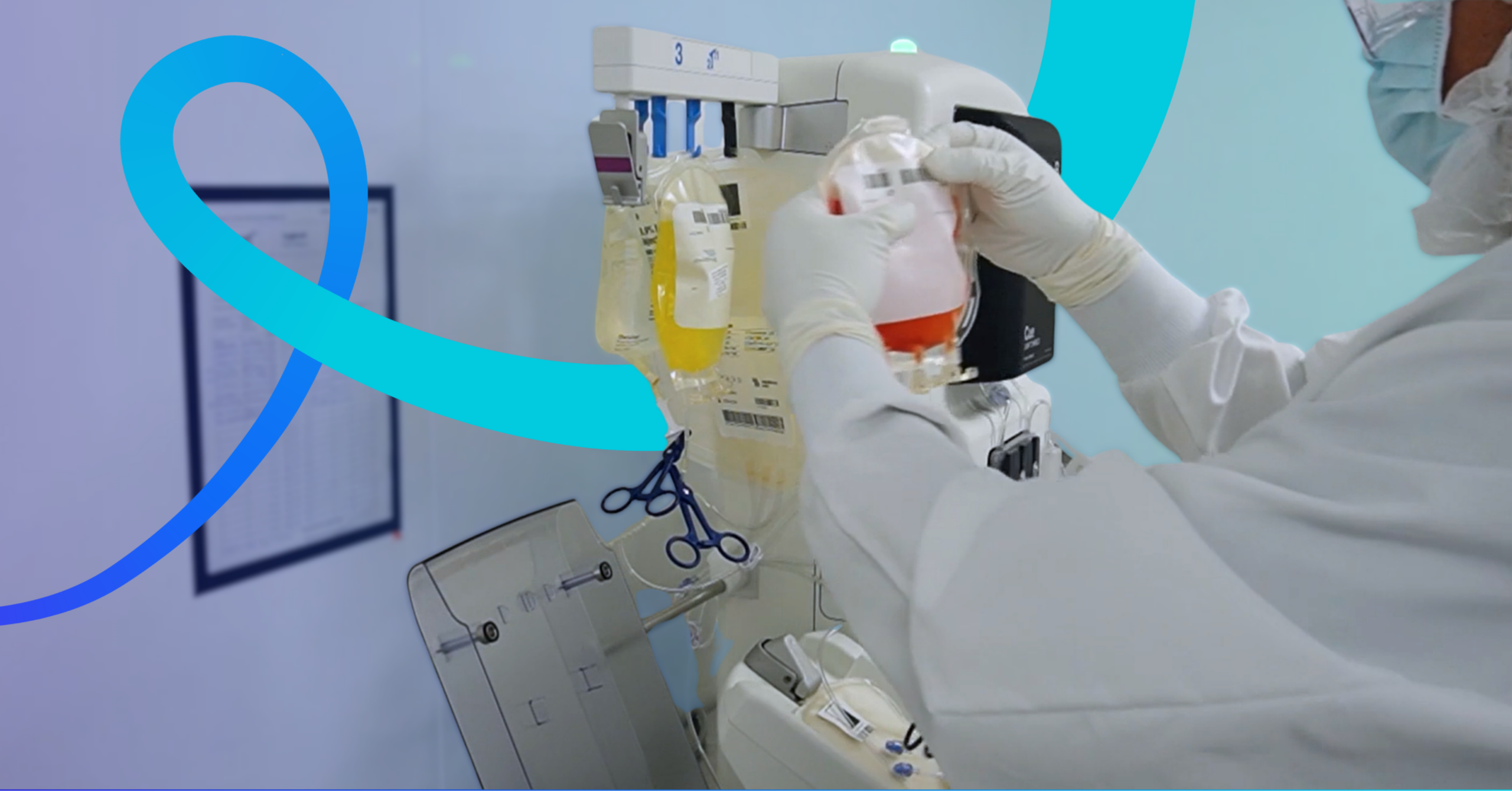
Managing the Cold Chain
05/18/2026
Integrate Cryopreservation into the End-to-End Supply Chain
Early‑phase therapy developers rarely think about cryopreservation as a standalone decision. In practice, it sits between collection and manufacturing, shaped by how material moves, how it is documented, and how responsibility is transferred from one group to the next. Despite that reality, cryopreservation is often implemented as a discrete step, managed separately from the rest of the supply chain that supports development execution. That separation may feel manageable early on. It becomes harder to sustain as programs progress.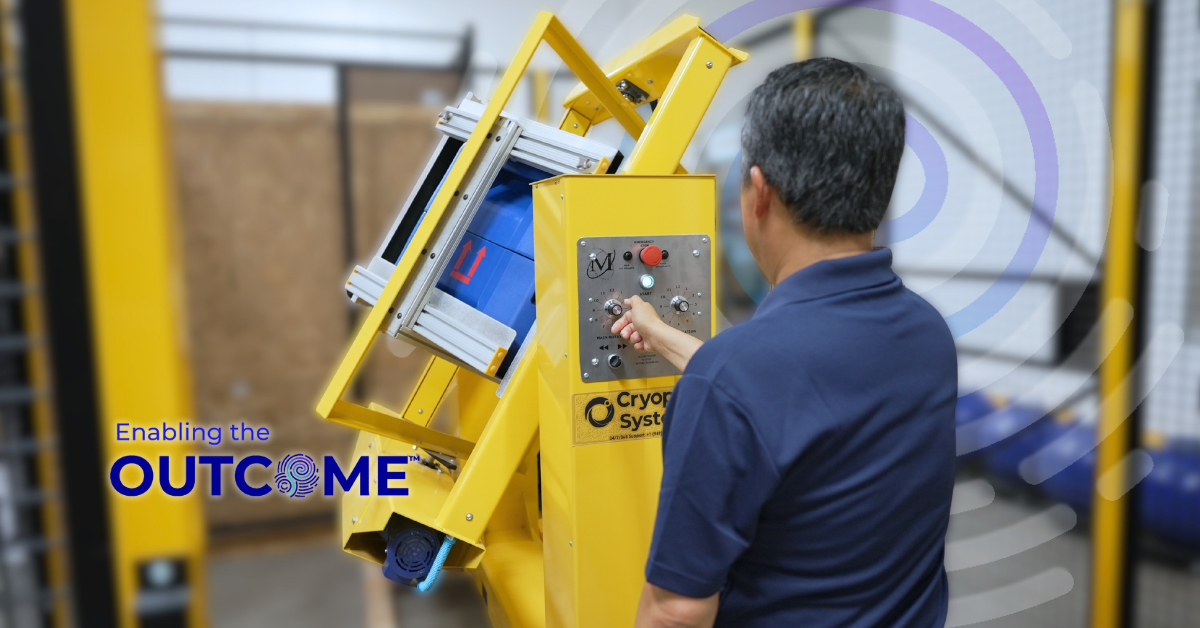
Managing the Cold Chain
05/12/2026