Commercial Readiness Starts with an Audit-Ready Supply Chain
The animal health industry is evolving rapidly. Biologics, vaccines, reproductive technologies, regenerative medicine applications, and other advanced therapies are reaching important commercial milestones and expanding into broader distribution networks. As organizations move beyond clinical development and pilot programs, they often discover that commercialization requires more than increased production capacity. It demands a supply chain capable of delivering consistency, traceability, and compliance at scale.
For many animal health organizations, logistics becomes significantly more complex during this transition. Distribution networks expand, additional facilities become involved, shipment volumes increase, and regulatory expectations ramp up. Processes that worked effectively during development may no longer provide the level of control required to support long-term commercial success. The challenges go beyond simply moving products from one location to another. Commercialization requires organizations to demonstrate that every shipment undergoes documented, repeatable, and defensible processes that can withstand scrutiny from quality, regulatory, and business stakeholders alike.
As a result, commercial readiness has become inseparable from supply chain readiness.
Commercialization Raises the Bar for Supply Chain Performance
During development, animal health organizations often operate within a relatively controlled environment. Shipment volumes are lower, transportation lanes are limited, and a smaller group of stakeholders oversees day-to-day logistics activities. While quality remains important, the operational complexity is often manageable through direct oversight and localized processes.
Commercialization fundamentally changes those dynamics. Products may move through multiple veterinary networks and distribution partners. Additional facilities become involved in storage, handling, and transportation. Shipment volumes increase substantially, creating more handoffs, documentation requirements, and opportunities for variability. At the same time, quality and regulatory teams remain responsible for ensuring products are handled consistently throughout the supply chain.
This increased complexity creates new expectations. Stakeholders need confidence that products remain protected during transport, and that supporting processes are executed consistently regardless of location, route, or shipment volume. Organizations must be able to demonstrate not only that products arrived at their destination, but also that environmental conditions were maintained, procedures were followed, and appropriate documentation exists to support every stage of the shipment journey.
In other words, commercialization requires supply chains to function as an extension of the quality system rather than simply a transportation network.
Audit Readiness Is Built Long Before an Audit Happens
When organizations think about audit readiness, they often focus on preparing for a future inspection or review. In reality, audit readiness is the result of daily operational discipline. It reflects the systems, processes, and quality controls that are consistently followed throughout routine operations.
An organization that is truly audit-ready does not need to gather information from multiple sources when questions arise. Shipment history, qualification records, condition monitoring data, and chain of custody information should be documented and readily accessible. The information required to investigate an event, support a quality review, or respond to an audit exists because it was captured as part of the process itself.
This distinction becomes increasingly important as animal health programs scale. Larger commercial operations generate more data and require greater oversight. Without standardized processes and centralized documentation, quality teams can spend significant time locating records and reconciling information across systems. Even when documentation exists, inconsistencies in how it is collected or maintained can create unnecessary challenges during reviews and investigations.
Organizations that establish audit-ready processes before commercialization are better positioned to manage growth. Consistent documentation practices, clear operational controls, and reliable records simplify compliance activities while reducing the risks associated with expansion. More importantly, they create confidence that products are being managed according to the same standards regardless of where they are shipped or stored.
Standardization Provides the Foundation for Growth
One of the greatest challenges associated with commercialization is maintaining consistency as operations expand. New distribution routes, additional facilities, and growing shipment volumes can introduce variability into the supply chain if processes are not carefully controlled.
Over time, even small differences in documentation practices, equipment management procedures, or shipment handling protocols can make oversight more difficult. Quality teams may find themselves managing multiple versions of the same process, while regulatory and compliance leaders are tasked with ensuring consistent performance across an increasingly complex network.
Standardization helps eliminate these risks by creating a common framework for execution. When organizations operate under unified SOPs, validated procedures, and consistent documentation requirements, every location follows the same expectations. This creates greater operational alignment while simplifying training, oversight, and quality management.
Equally important, standardization supports scalability. New facilities, expanded distribution networks, and increased shipment volumes can be integrated more effectively when every participant operates within an established quality framework. Rather than reinventing processes for each new market or location, organizations can build growth upon a consistent operational foundation.
Commercialization is often viewed as an exercise in expansion, but sustainable growth depends on maintaining control as that expansion occurs. Standardized processes help animal health organizations achieve both objectives simultaneously.
Validated Systems and Traceability Strengthen Commercial Readiness
A commercially ready supply chain requires more than documented procedures. It also requires confidence in the systems used to protect products throughout transportation and storage.
Validated shipping systems play a critical role in achieving that confidence. Organizations need assurance that shipping systems can perform consistently under expected operating conditions and that their performance can be supported through documentation and ongoing quality oversight. As shipment volumes increase, that level of consistency becomes increasingly important because every shipment must meet the same quality standards regardless of destination or route.
Maintaining confidence also requires continuous management of the shipping systems themselves. Equipment must be inspected, qualified, maintained, and verified before being returned to service. Without these controls, uncertainty can enter the supply chain and potentially undermine product protection efforts.
At the same time, traceability has become a fundamental component of commercial readiness. Quality teams and operational leaders need visibility into what occurred throughout a shipment’s lifecycle, including chain of custody information, condition monitoring data, and equipment performance records. When this information is fragmented across multiple systems, investigations become more difficult and oversight becomes more resource intensive.
An integrated approach to traceability provides a clearer view of shipment performance while supporting compliance objectives. Rather than relying on disconnected records, organizations gain access to a comprehensive history that can support quality reviews, audits, and operational decision-making. The result is greater confidence in supply chain performance and stronger documentation to support commercial operations.
Building a Commercially Ready Supply Chain
Preparing for commercialization requires a logistics strategy that prioritizes consistency, quality, and traceability from the outset. Organizations that successfully navigate this transition often do so by implementing standardized processes, validated systems, and integrated quality controls before commercial volumes begin to scale.
Cryoport Systems supports animal health organizations through a globally standardized quality framework designed to help meet these evolving expectations. ISO 21973-certified processes provide a structured approach to transportation quality management, while validated shipping systems support the reliable movement of temperature-sensitive materials. Standardized global SOPs help ensure operational consistency across facilities and regions, creating a stronger foundation for scalable commercial growth.
Supporting these processes is Veri-Clean®, a validated decontamination process that helps establish shipping system readiness and 100% shipping system requalification before each use. Together, these measures help maintain confidence in system performance while supporting quality and compliance objectives throughout the supply chain.
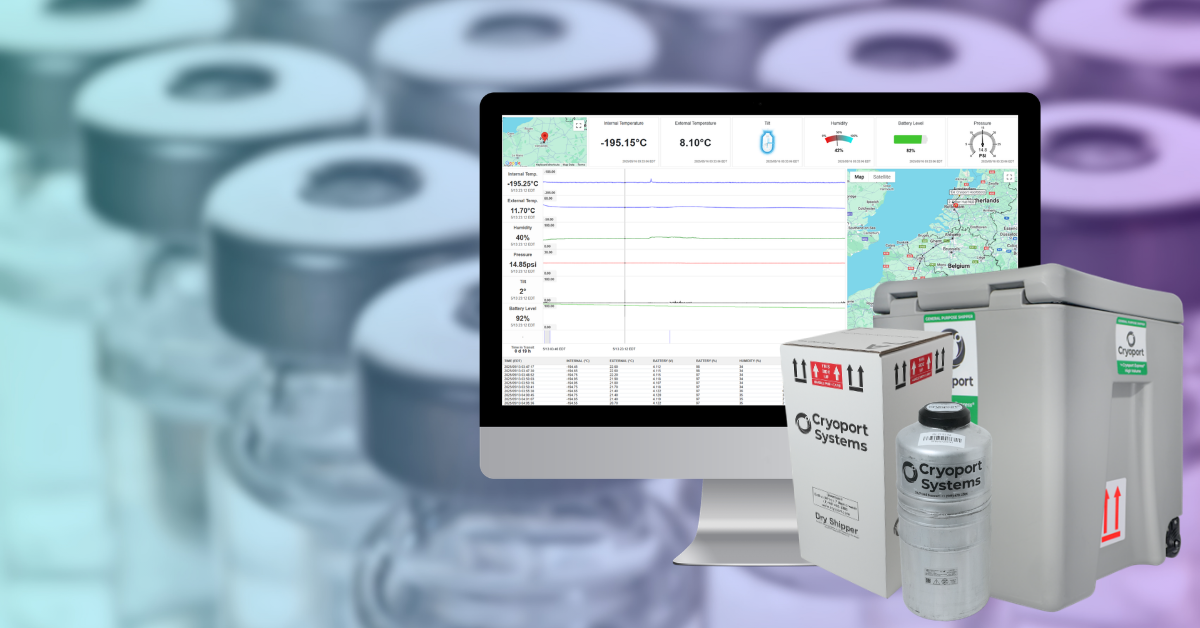
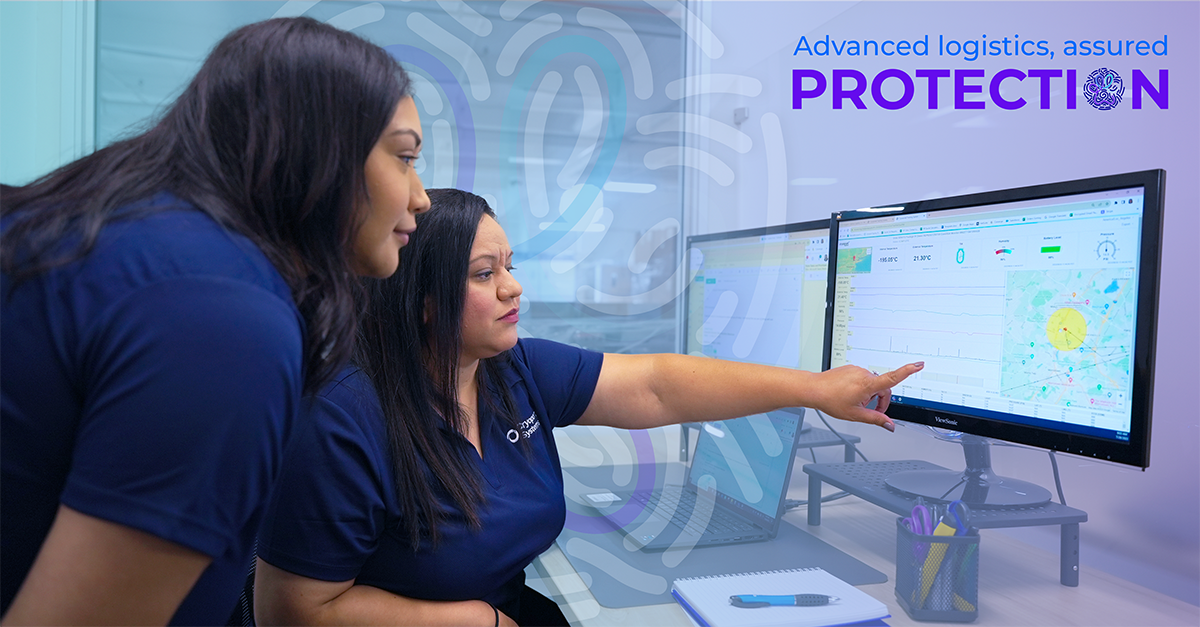
At the center of this framework is Chain of Compliance®, which integrates chain of custody, chain of condition, and equipment performance information into a single, comprehensive record. This approach provides organizations with the traceability needed to support audits, investigations, and quality reviews while improving visibility across their logistics operations. Continuous shipment monitoring further strengthens oversight by helping ensure shipment integrity throughout transit and generating the documentation needed to support informed decision-making.
Commercial Readiness Requires a Supply Chain Built for Scale
As the animal health industry continues to grow, expectations surrounding quality, compliance, and operational consistency will continue to evolve. Commercial success increasingly depends on an organization’s ability to demonstrate that products are being managed through controlled, repeatable processes that protect product integrity while supporting regulatory and business requirements.
Organizations that invest in audit-ready supply chains before commercialization are better positioned to scale efficiently, manage risk, and maintain stakeholder confidence. By combining standardized processes, validated systems, comprehensive traceability, and continuous oversight, they can create an operational foundation capable of supporting long-term growth.
Commercialization represents an important milestone for any animal health program. Ensuring the supply chain is prepared for that transition can help transform growth opportunities into sustainable commercial success.