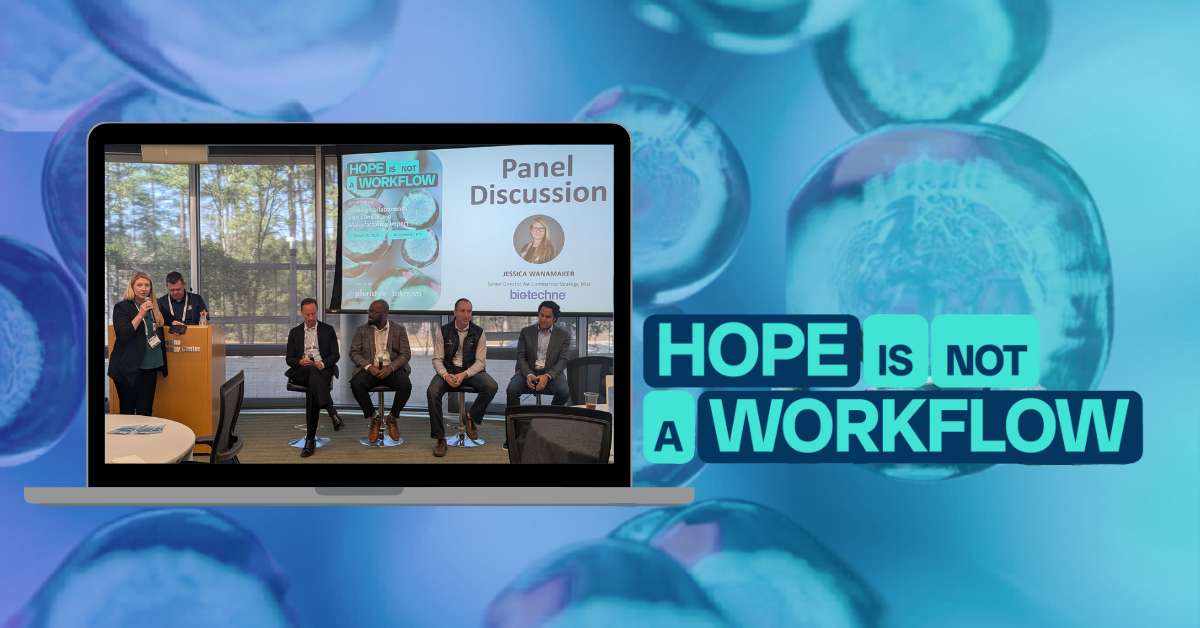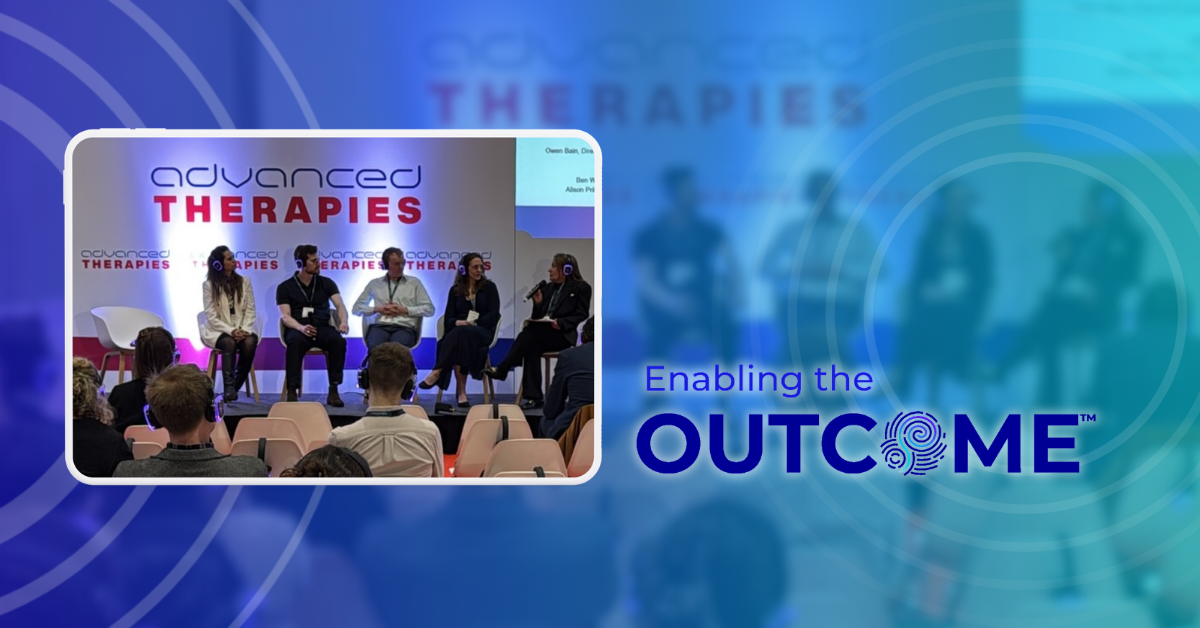
Building Global Readiness: Key Takeaways from Matthew Frazzetta at Hope Is Not a Workflow
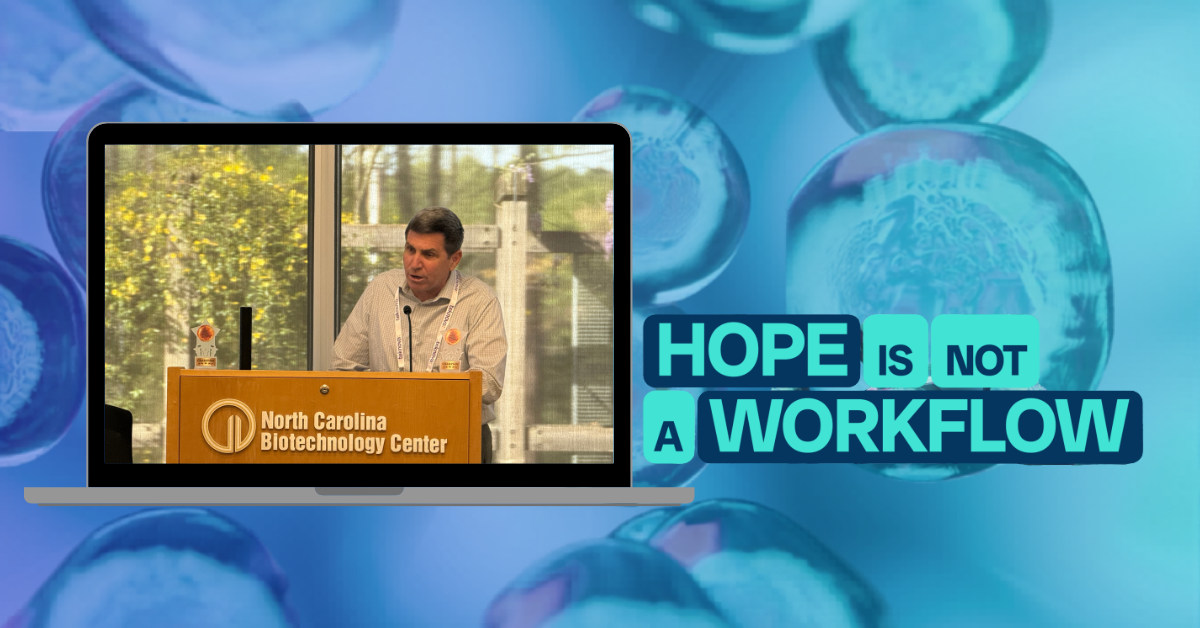
As cell and gene therapies continue to advance scientifically, operational readiness is increasingly determining whether those therapies reach patients at scale. During a presentation at Hope Is Not a Workflow, Matthew Frazzetta, Vice President of Global Accounts for BioServices at Cryoport Systems, addressed a question that is becoming impossible for the industry to ignore: How do we build a global, standardized, and scalable supply chain capable of supporting the next generation of advanced therapies?
In his presentation, Matthew made the case that global readiness, while often treated as an operational afterthought, is actually a strategic requirement that must be designed into therapies from an early stage if the industry is serious about broad patient access.
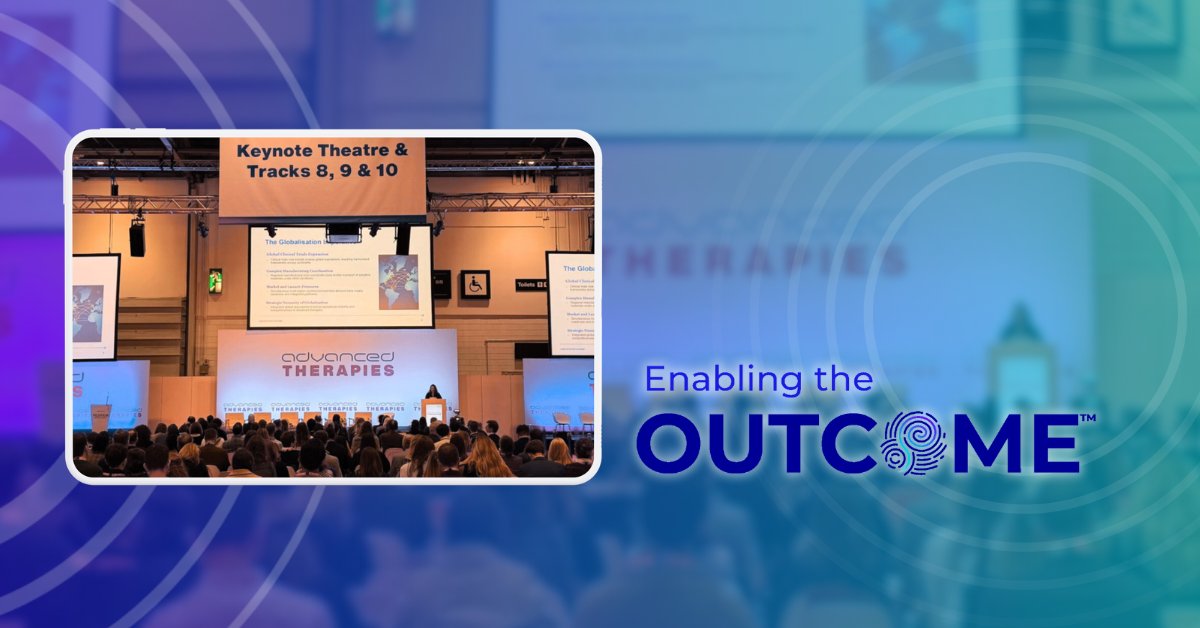
The Globalization Imperative
Cell and gene therapy development is no longer confined to isolated regions or single markets. Clinical trials now span continents, manufacturing networks are increasingly regionalized, and commercial launches are often expected to occur in multiple geographies simultaneously.
Matthew highlighted how this level of globalization introduces a new layer of complexity. Sensitive materials must move across borders under tightly controlled conditions, while maintaining chain of custody, data integrity, and regulatory compliance across jurisdictions. At the same time, expectations from investors and regulators have shifted, with operational maturity and global scalability now viewed as indicators of long-term viability.
In this environment, fragmented supply chain approaches and region-specific processes are increasingly incompatible with the pace and scale the industry is being asked to achieve.
Rising Expectations from Investors and Regulators
As advanced therapies mature, scrutiny from both investors and regulators continues to intensify. Matthew emphasized that neither group is solely focused on scientific promise anymore.
Investors are looking for predictability. They want to see reliable global operations built upon scalable models that can support growth without escalating cost or risk, and evidence that organizations can execute consistently across regions. Regulators, meanwhile, expect standardized workflows alongside complete data traceability and demonstrable product protection from collection to manufacturing to patient delivery.
What once may have been considered advanced capabilities (continuous monitoring, auditable data, chain-of-identity controls, etc.) are quickly becoming baseline expectations. Organizations that cannot meet these standards risk setbacks and delays, or worse, loss of confidence at critical moments in development.
The Reality of Today’s Fragmented Ecosystem
Despite scientific progress, Matthew acknowledged that the operational landscape for advanced therapies remains highly fragmented. Regional process variation, disconnected data systems, inconsistent logistics networks, and vendor variability continue to introduce unnecessary risk.
These disconnects increase costs, slow timelines, and complicate regulatory compliance, all while limiting visibility across the therapy lifecycle. Data silos, in particular, make it difficult to proactively identify issues before they impact patients or programs.
As the industry pushes toward commercial scale, these fragmented ecosystems are proving increasingly difficult to sustain.
Breaking Down Industry Silos from an Earlier Stage
One of the key themes of the presentation was the need to rethink how supply chains are designed. Historically, the industry has operated in sequential silos (discovery first, manufacturing later, and supply chain considerations last).
Matthew argued that this approach no longer works.
Instead, integrated supply chains must be considered early, as early as the pre-clinical stages. Designing with global delivery in mind from the outset allows organizations to anticipate regulatory requirements, temperature-sensitive logistics, site onboarding needs, and scaling challenges long before they become bottlenecks.
Programs that adopt early integrated design are better positioned to shorten development cycles, reduce operational risk, and, ultimately, expand patient access globally.
The Shift Toward Integrated Platforms
Across the industry, Matthew noted a clear shift away from isolated tools and vendors and toward unified, end-to-end supply chain platforms. Integration enables organizations to move beyond reactive problem-solving and toward proactive risk management.
By connecting logistics, biostorage, cryopreservation, kitting, clinical sample management, and other key supply chain services within a single ecosystem, stakeholders gain lifecycle visibility and improved collaboration within a platform set up to scale with the needs of the program.
This level of collaboration and partnership allows teams to anticipate disruptions, pivot quickly, and maintain therapy integrity, even as volumes, patient populations, care sites, and geographic regions scale rapidly from phase to phase.
In this way, Matthew stressed, integration has become the foundation of global readiness.
Enabling Scale Through Standardization
Standardization has emerged as a critical enabler of scalability. According to Matthew, integrated and standardized supply chain platforms help to reduce variability, minimize failure points, and ensure consistent quality and patient safety, regardless of geography.
Standardization also builds confidence with investors and regulators, demonstrating repeatability and control. When processes and systems are harmonized, organizations can scale efficiently while reducing costs and accelerating timelines without compromising quality or introducing variability.
Advanced analytics and single-vendor partnerships further strengthen supply chains by optimizing and standardizing workflows, maintaining continuity even in the face of disruption or during rapid scale-up as therapies advance to the next phase of development and patient populations (and the network of sites of care supporting them) inevitably expand.
A Shared Benefit Across Stakeholders
Matthew highlighted that the benefits of an integrated, standardized supply chain extends across the full value chain.
CDMOs, for example, benefit from simplified operations and improved batch reliability. Sponsors gain visibility into global operations, faster decision-making, and stronger scale and launch readiness. Clinical sites experience reduced logistical burden and standardized workflows, ultimately improving the patient experience.
At the end of the day, these shared benefits strengthen the ecosystem as a whole.
Looking Ahead to a Global, Connected Future
In closing, Matthew outlined a future state defined by interoperable global platforms that connect the entire supply chain ecosystem. In this model, supply chain readiness is embedded into therapy design from the start, supported by analytics and synchronization across stakeholders.
The endpoint is broader patient access and the ability to deliver advanced therapies safely at scale.
Behind every shipment and every workflow, a patient is waiting. Global readiness is ultimately about ensuring the infrastructure is strong enough to meet that responsibility.