Cost Avoidance and Risk Reduction Through Integrated Cryopreservation
Advanced therapy organizations face a number of operational complexities as they expand. While these organizations devote considerable resources to address pain points in the supply chain, many of these absorbed costs were actually avoidable in the first place. Developing an integrated cryopreservation strategy can help organizations reduce scrap rates, deviations, repeat testing, shipping failures, and schedule churn, ultimately improving the company’s bottom line.
Hidden Costs and Risks of Fragmentation in the Supply Chain
Relying on a unified infrastructure for transporting your temperature-sensitive materials is crucial. Navigating the process as separate checkpoints can lead to deviations and failures, wasting time, money, and resources. Even if the infrastructure is advanced and each facility has specialized capabilities, successful program expansion depends on a coordinated framework.
Streamlining your operations is the best way to avoid both high-stake expensive errors and subtle hidden costs. When the system is fragmented, more risk appears. These types of situations arise when there are multiple vendors, inconsistent protocols, and unpredictable fresh collections. Cryoport Systems helps companies avoid these layered costs with an end-to-end supply chain that integrates cryopreservation technology to achieve seamless operations and higher quality.
The Operational Risks of Using Fresh Starting Material
Why is an integrated cryopreservation strategy necessary for a streamlined workflow? The short answer: it reduces risk, and in turn, costs. Frozen leukapheresis starting material allows more flexibility within the supply chain.
When organizations rely on fresh starting material, the manufacturing window is much narrower. More thought and time must go into coordinating complex schedules across collection and manufacturing sites. It also adds pressure around monitoring the shipment and how it is handled, due to the added risk and complexity of fresh materials. Then, you must also factor in navigating disruptions along the route. There is no room for flexibility here: if a weather delay, flight cancellation, traffic, vehicle accident, or manufacturing site slot change occurs, the fresh starting material becomes unusable and wasted or leads to a failed batch. The costs of transport, reserved manufacturing slots, or lack of resources after a transportation failure can be expensive.
How Cryopreservation Reduces Waste Financially and Operationally
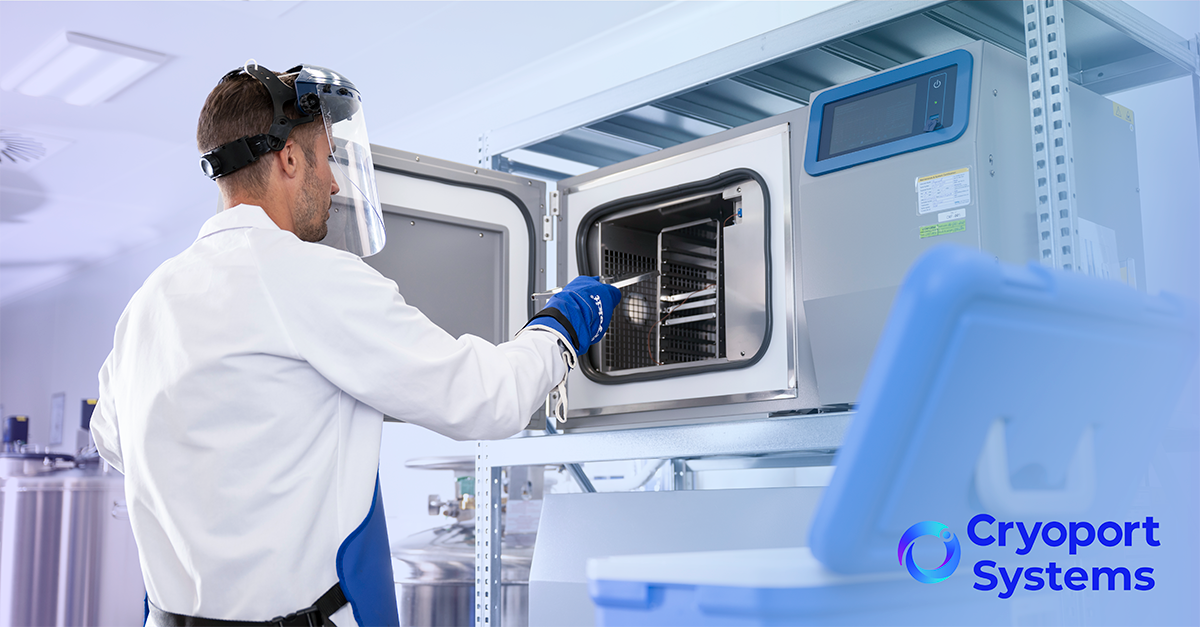
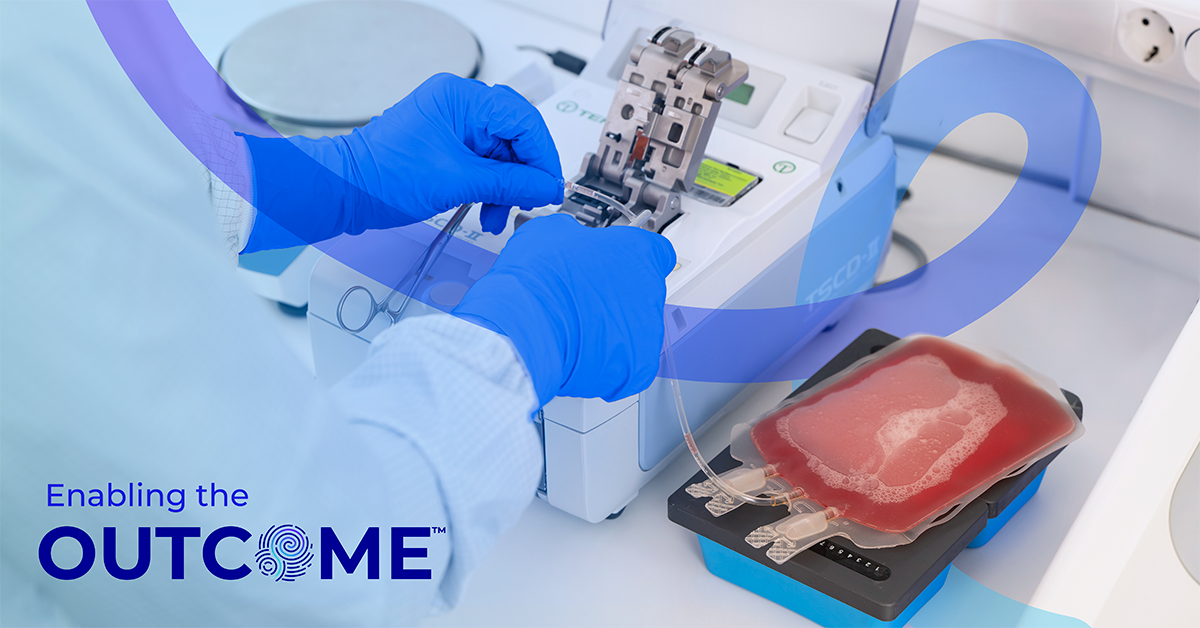
Using frozen starting materials has a number of net positives, both for supply chain productivity and your overall budget. Companies can separate the collection process from manufacturing, allowing greater flexibility in scheduling. Teams are able to collect leukapheresis starting materials, then process, characterize, and store them in controlled conditions, reducing the risk of waste or failed batches during manufacturing. This creates more time to build a strategic approach to facility utilization, workforce availability, process consistency, and capacity.
Cryopreservation also goes hand in hand with the ability to store an inventory of frozen starting material. Companies can use the stored material when needed, reducing the need for a stringent, narrow scheduling window.
The ability to rely on frozen starting material can also help reduce the impact of shipping-related deviations. Cryopreservation provides greater flexibility around transportation and manufacturing timelines, helping minimize the risk that transit delays or other logistical disruptions lead to material loss or manufacturing delays. Given the unpredictability of transit, this added flexibility can help organizations build greater resiliency into their supply chains.
Another major advantage of integrating cryopreservation into the supply chain is the potential to reduce the need for repeat testing. When an issue arises with fresh starting material, additional testing or material collection may be required, adding time and cost to the process. These delays can affect not only the immediate timeline but downstream manufacturing activities as well. For organizations developing advanced therapies, avoiding unnecessary delays is particularly important, as setbacks can increase costs and ultimately extend timelines for patients awaiting potentially life-changing treatments.
When cryopreservation reduces variability across the supply chain, it can also help reduce overall organizational costs. Integrating regulatory and quality requirements from the start can reduce the risk of deviations and the associated burden of investigations and quality management costs. Cryoport Systems’ IntegriCell® cryopreservation preserves material integrity, reduces operational friction, and improves scheduling, which can ultimately support cost savings.
How Cryoport Systems Integrates Cryopreservation in a Unified Framework
Approaching the supply chain with a comprehensive, connected framework is ideal for advanced therapy companies, and cryopreservation fits seamlessly within that integrated network at Cryoport Systems. Through our IntegriCell cryopreservation services, developers benefit from standardized workflows, thorough documentation, and expert quality support. We manage the sensitive materials and temperature-controlled logistics so you can focus on core business objectives.
Cryoport Systems’ integrated supply chain solution includes more than just GMP-aligned cryopreservation and specialized logistics. We also provide BioServices, which consists of biostorage, secondary packaging and labeling, and custom kit production, all fitting within our end-to-end approach. These capabilities address the complex demands and concerns of advanced therapy developers who want to grow their commercial programs. The first step to scalability is planning consistent and simplified logistics with an experienced partner. An integrated cryopreservation strategy within a unified supply chain framework allows you to think globally, achieving more predictable outcomes and control over your operations and budget. This ultimately enables you to reach more patients who are waiting for potentially life-changing treatment.