
Supply Chain Archives

Supply Chain
08/01/2026
The Fast Track to Global Expansion: Consistency Across Every Site
For cell and gene therapy developers, expansion is rarely as simple as adding a new country or introducing a new logistics lane. What appears to be a straightforward geographic scale-up often triggers operational and quality challenges through supplier requalification, packaging validation reviews, local process assessments, documentation updates, and regulatory scrutiny. Systems that must be rebuilt every time new market entry is desired slows progress and, as clinical trials become increasingly global, organizations need infrastructure that scales with them.
Managing the Cold Chain
07/07/2026
When Local Variation Becomes Global Risk in Phase III
By the time an advanced therapy program reaches Phase III, the supply chain is no longer being judged only by whether material can move from one point to another. It is being judged by whether that movement can be repeated across sites, regions, service providers, and regulatory environments in a way that produces a consistent and defensible record of execution.
Managing the Cold Chain
07/07/2026
“Regulatory Readiness is Built Early” and Other Lessons for CGT Developers
Advanced therapy developers are used to making hard decisions under pressure. In early development, the priority is often clear: reach the clinic, generate meaningful data, and keep the program moving. This was the central theme of the recent webinar, “Prevent Advanced Therapy Program Delays with Early Supply Chain Strategy.” The expert panel explored why early supply chain decisions deserve strategic attention long before a program reaches pivotal trials or filing preparation.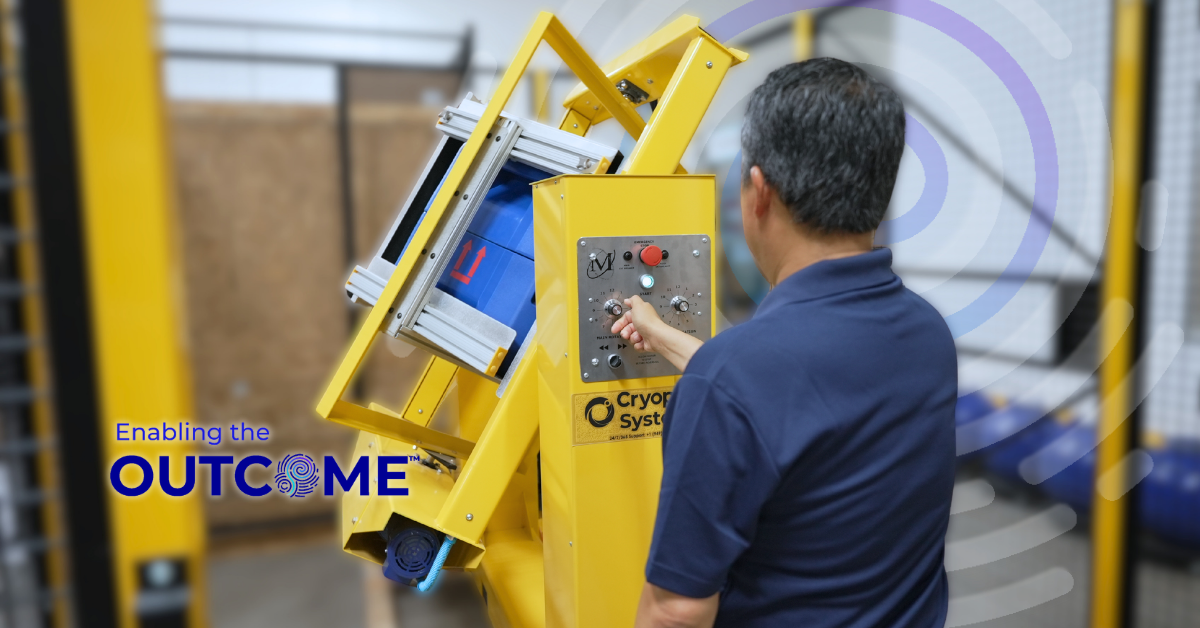
Managing the Cold Chain
05/12/2026
Why Risk Analysis and Lane Qualification Matter for Regulatory Confidence
As programs move from mid-phase into later development, expectations around compliance change in both scale and tone. Early filings may tolerate explanation, but later submissions expect evidence. Teams preparing for Phase II transitions, Phase III trials, or global commercialization begin to encounter a different level of scrutiny, where regulators are less interested in intent and more focused on whether processes behave consistently under real operating conditions.
Managing the Cold Chain
04/21/2026
Accelerate Your Trials Without Losing Control With an End-to-End Supply Chain Model
As programs shift from Phase I to Phase II, the workload starts to overlap in new ways. Sample volumes increase as more sites operate in parallel, and activities that once occurred in sequence now run at the same time. The work itself is largely the same, but keeping it coordinated requires more time and attention.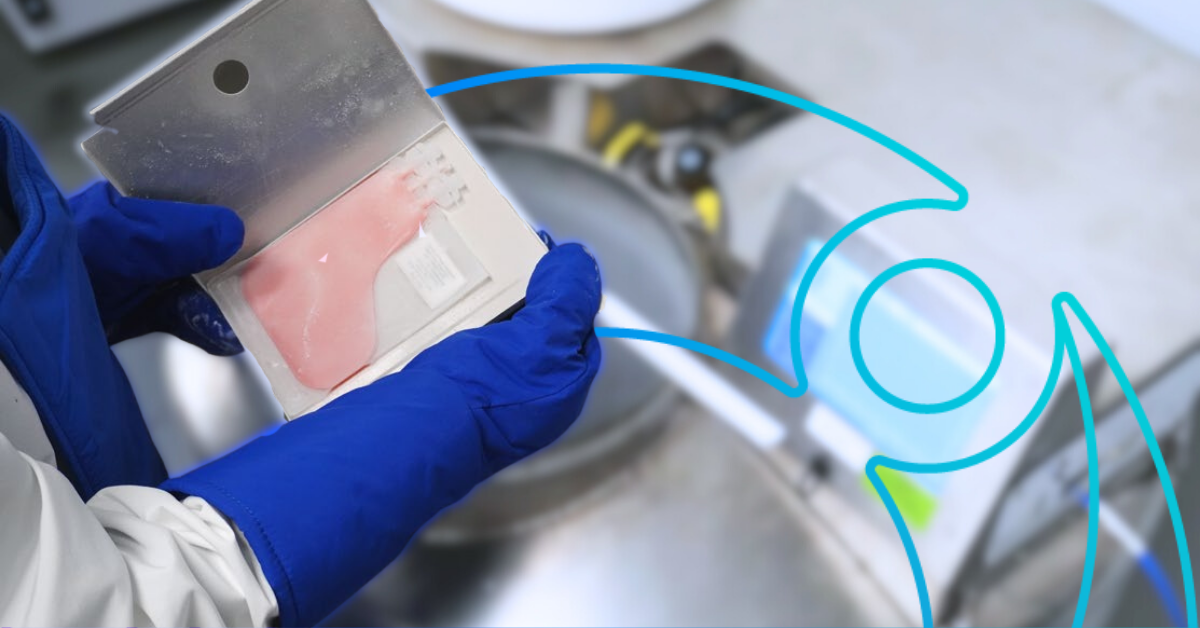
Managing the Cold Chain
03/19/2026
Advance Program Stability by Building Cryopreservation Into the System, Not Around It
Cryopreservation has become a practical way for early programs to give themselves more room to plan, especially when collection schedules don’t line up neatly with manufacturing availability. How the material actually enters the frozen state, though, has a noticeable influence on what teams see later in development. When sites follow their own methods or adapt the process to local routines, those differences show up in the frozen material and stay with it.
Managing the Cold Chain
03/18/2026
The Slow Drift Toward Variability and the Case for Standardization
Teams in mid-phase development often look back at their operational processes and see that they carry the imprint of every decision made along the way. No single choice felt significant in the moment, and each helped to keep the program moving. But as more sites are added and new regions open, the one-off decisions made along the way become part of a broader system that begins to show its unevenness variability as the program expands.
Industry Insights
12/17/2025
2025 Year in Review: Turning Standards and Resilience into Outcomes
If you work within the advanced therapy ecosystem, you already know the story of 2025 from an industry standpoint, where science continued accelerating while funding and commercialization hinged on whether the supporting systems could keep up. For Cryoport Systems, that reality was a catalyst. This year, we raised the bar yet again and demonstrated how having the right strategic partnership behind your end-to-end supply chain can turn logistics into leverage, can transform compliance into confidence, and can spin scale into speed.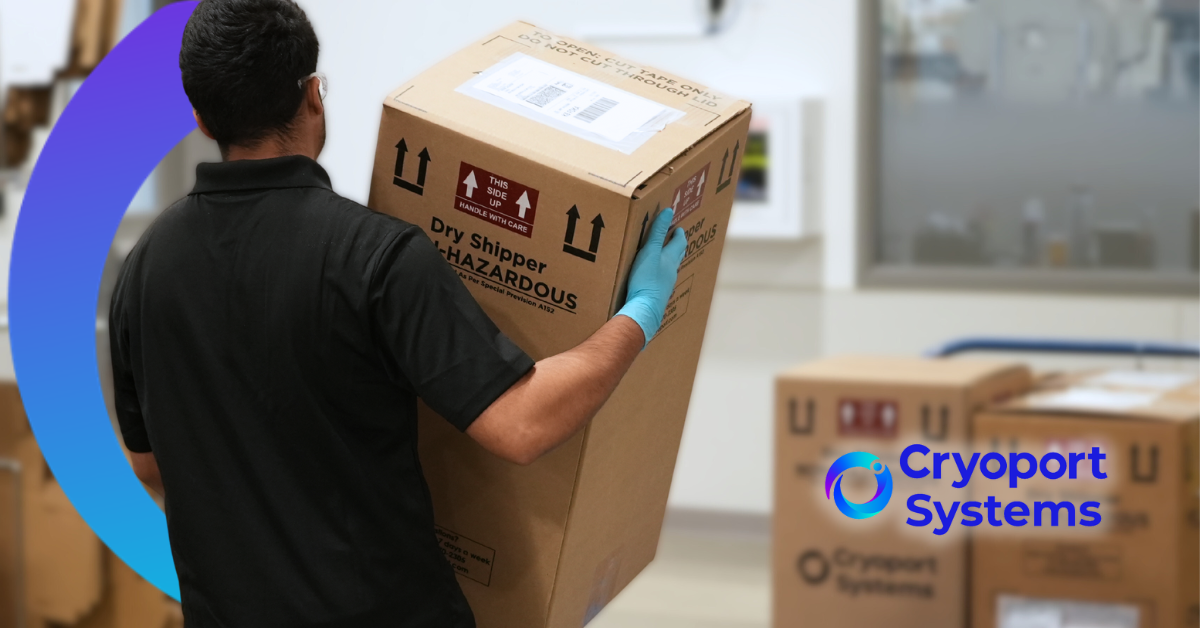
Managing the Cold Chain
12/09/2025