
Supply Chain Archives

Managing the Cold Chain
07/07/2026
Expand Trial Footprints Without Expanding Cryopreservation Risk
For many cell therapy programs, the move from fresh to frozen starting material is treated as the moment when variability starts to come under control. And in many ways, that’s true. Fresh leukapheresis-derived starting material is inherently difficult to build around. It is biologically active, time-sensitive, and highly dependent on how quickly and consistently it can move from collection into the next step of the process. Even under strong operational oversight, additional variables around timing, handling, transport duration, pre-processing wait time, and local execution can all influence the condition of the material before manufacturing ever begins.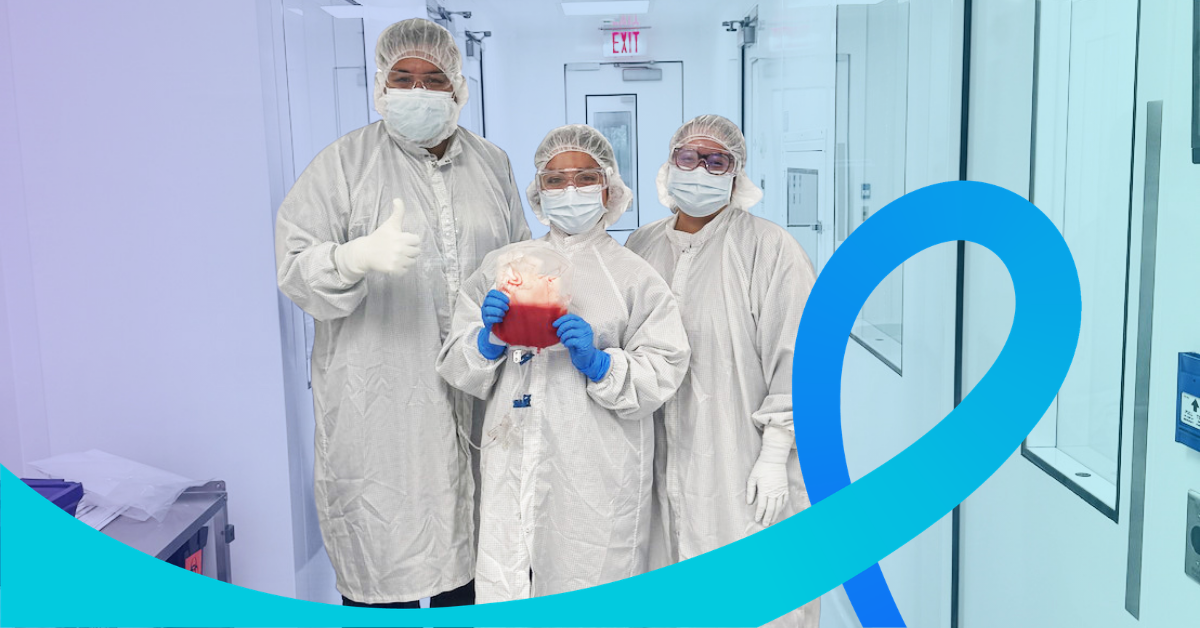
Managing the Cold Chain
06/10/2026
Accelerate Efficiency by Decoupling Collection from Manufacturing
For many cell therapy programs, there comes a point where the manufacturing schedule stops behaving like a schedule and starts behaving more like a coordinated hold on capacity, something that can only really be maximized when collection, clinic coordination, material movement, intake, and suite readiness all happen to line up tightly enough around fresh leukapheresis-derived starting material to keep the window intact.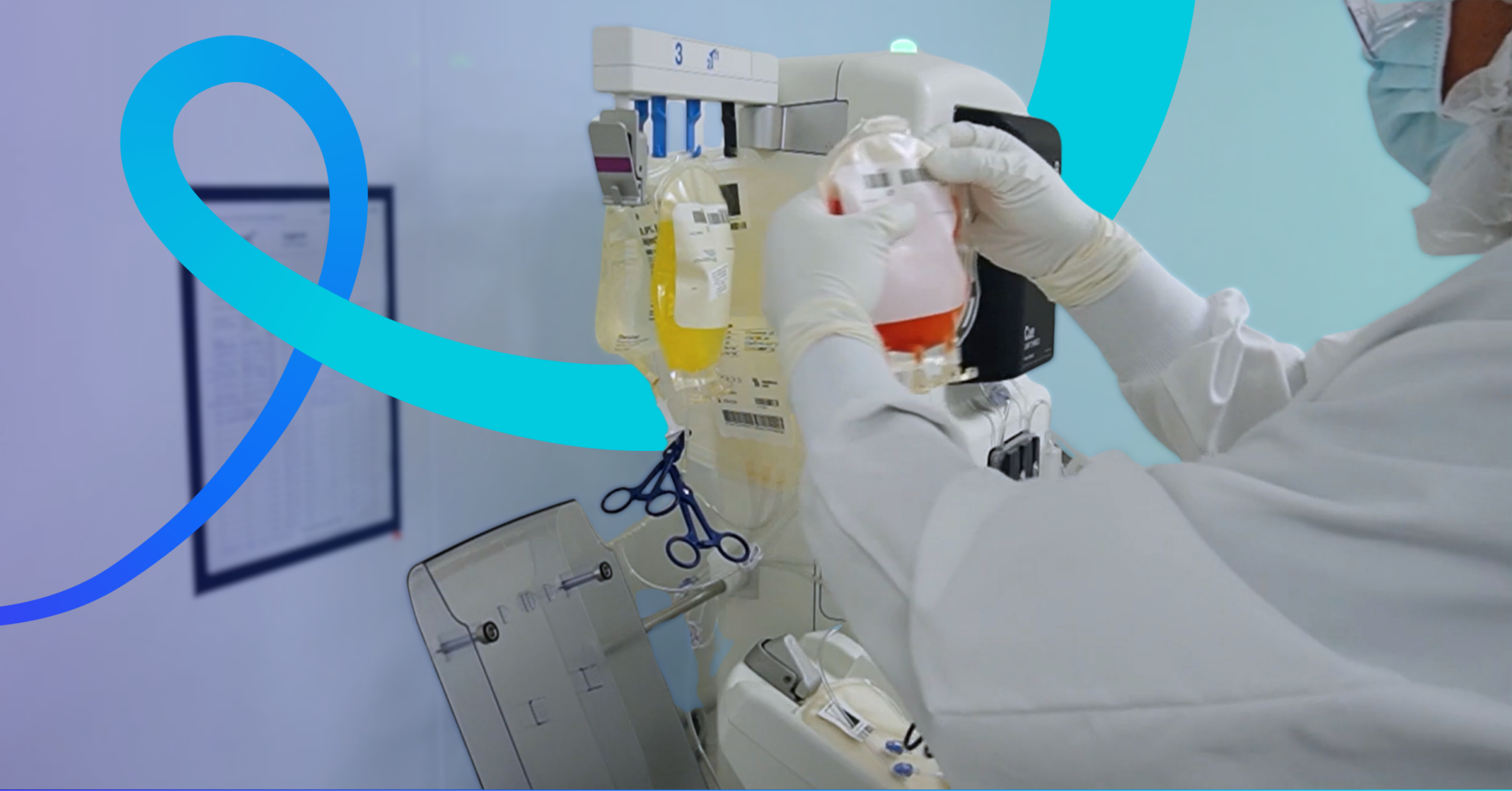
Managing the Cold Chain
05/18/2026
Integrate Cryopreservation into the End-to-End Supply Chain
Early‑phase therapy developers rarely think about cryopreservation as a standalone decision. In practice, it sits between collection and manufacturing, shaped by how material moves, how it is documented, and how responsibility is transferred from one group to the next. Despite that reality, cryopreservation is often implemented as a discrete step, managed separately from the rest of the supply chain that supports development execution. That separation may feel manageable early on. It becomes harder to sustain as programs progress.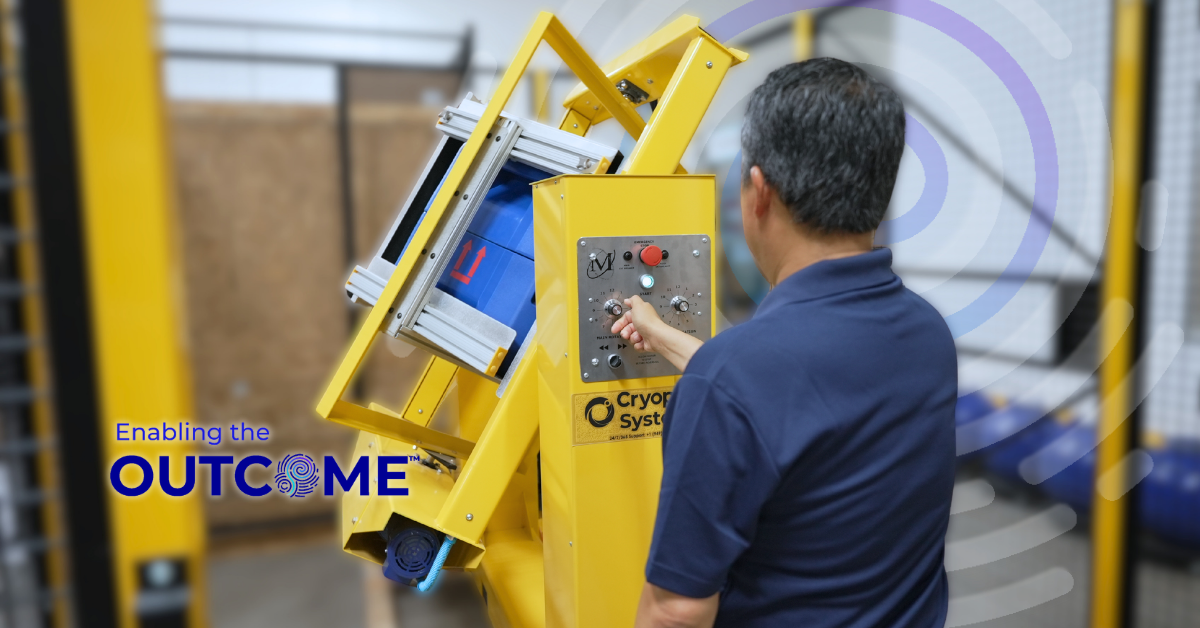
Managing the Cold Chain
05/12/2026
Why Risk Analysis and Lane Qualification Matter for Regulatory Confidence
As programs move from mid-phase into later development, expectations around compliance change in both scale and tone. Early filings may tolerate explanation, but later submissions expect evidence. Teams preparing for Phase II transitions, Phase III trials, or global commercialization begin to encounter a different level of scrutiny, where regulators are less interested in intent and more focused on whether processes behave consistently under real operating conditions.
Industry Insights
03/19/2026
ATC 2026 Keynote Recap: Building Global Readiness for Advanced Therapies
Alison Pritchard, VP of Business Development – EMEA at Cryoport Systems, delivered the Keynote Address at the Advanced Therapies Congress 2026, grounding the discussion in the accelerating pace of global expansion across the cell and gene therapy industry. Clinical trials now commonly stretch across regions, and manufacturing networks are distributed in ways that require constant coordination. These patterns have become the norm rather than the exception. As she described it, the operating environment for advanced therapies has already become global, and every program is expected to function within that reality much earlier than in the past.
Managing the Cold Chain
02/26/2026
Building Investor Confidence Through an Intentional Supply Chain Strategy
In early investment conversations, scientific innovation used to carry most of the weight. A compelling mechanism of action, a clear unmet need, and solid early data together were enough to advance the discussion and give investors a sense of potential. In today’s funding environment, however, that has shifted. Today, investors quickly move past the science and begin investigating whether a program can operate with the discipline and scalability required to grow.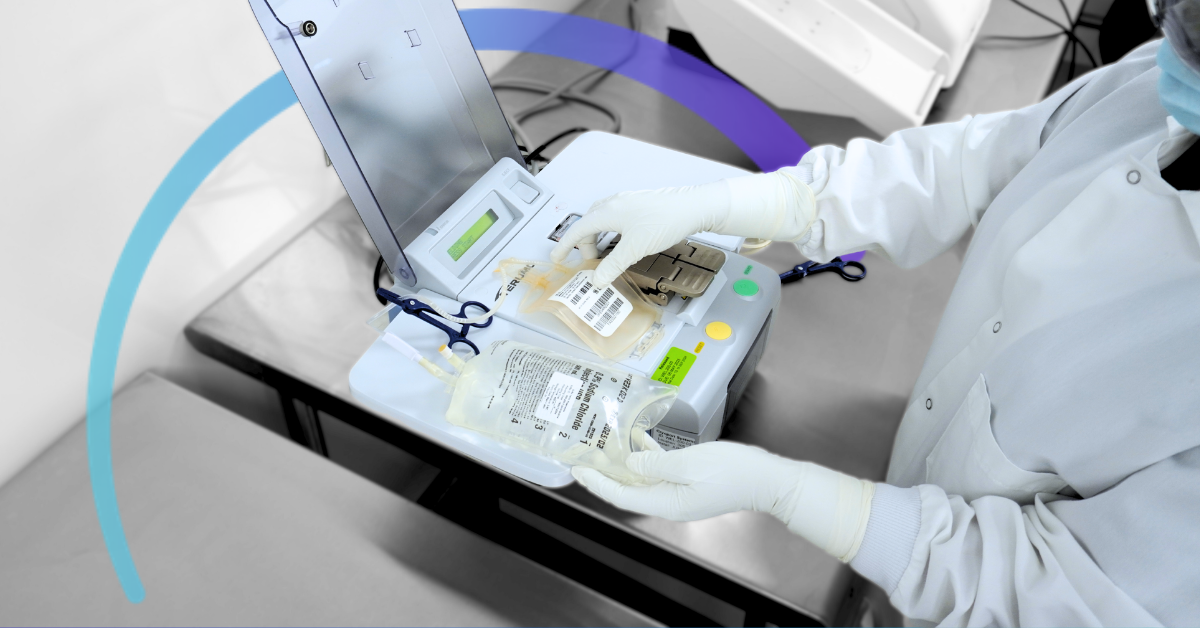
Managing the Cold Chain
02/18/2026
Build Standardization Where It Matters Most: Turning Stability into True Consistency
There is a quiet assumption that many early-phase teams make when they transition to cryopreserved starting material... that freezing alone will solve their variability problem. On the surface, it feels true. Cryopreservation stops the clock, stabilizes the cells, and removes the minute-to-minute fragility of fresh material. But the stability that teams expect isn’t guaranteed by freezing itself, it’s created by how the freezing is done. And in practice, this is where programs often get surprised.
Managing the Cold Chain
01/27/2026
Establish Stability from the Start with Frozen Starting Materials for Cell Therapy Development
For many years, cell therapy programs defaulted to fresh leukapheresis-derived starting material. The assumption was that if you could minimize the time from collection to manufacturing, you would maximize viability. As a result, fresh apheresis became not only a scientific preference but an operational tradition, shaping how clinical teams would schedule donors, how manufacturing suites would allocate capacity, and how programs would structure day-to-day execution. Program leaders treated any deviation from “fresh” as a risk to be justified rather than a choice to be evaluated. But reality keeps getting in the way.
Managing the Cold Chain
01/27/2026