Integrate Cryopreservation into the End-to-End Supply Chain
Early‑phase therapy developers rarely think about cryopreservation as a standalone decision. In practice, it sits between collection and manufacturing, shaped by how material moves, how it is documented, and how responsibility is transferred from one group to the next. Despite that reality, cryopreservation is often implemented as a discrete step, managed separately from the rest of the supply chain that supports development execution. That separation may feel manageable early on. It becomes harder to sustain as programs progress.
Cryopreservation is usually introduced to address a specific constraint. Programs need flexibility when collections and manufacturing schedules do not align, or they need a way to reuse the same material across studies. Those motivations make sense. What tends to receive less attention is how freezing fits into the broader operational framework that governs logistics, biostorage, kitting, quality oversight, and regulatory traceability. When cryopreservation is treated as an isolated activity, it creates additional transitions that have to be managed later.
The impact of those transitions often shows up downstream. As responsibility moves from one group to the next, material history is no longer reviewed as a continuous record. Instead, it has to be reconstructed across disconnected systems that were never designed to preserve a unified view of execution.
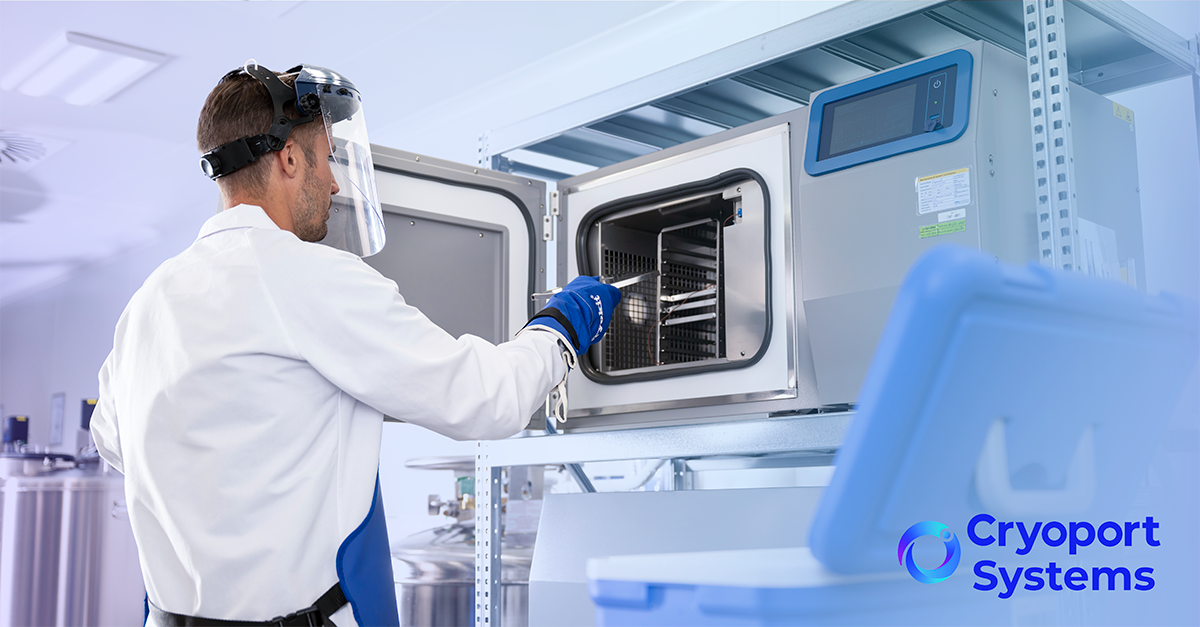
Integration is what changes that dynamic. When cryopreservation is designed to function within an end‑to‑end supply chain, it aligns naturally with logistics, biostorage, and quality systems that already govern how material is handled and tracked. Freezing no longer introduces a parallel workflow. It becomes part of a continuous process that supports predictable execution and defensible documentation from the outset.
Where Cryopreservation Creates Risk When It Isn’t Integrated
Cryopreservation usually enters a program as a tactical decision. Material needs to move, schedules stop aligning cleanly, and freezing becomes the mechanism that makes execution possible. At that point, very few teams step back to redesign the surrounding supply chain. They bolt cryopreservation onto workflows that were built for fresh material and expect the rest of the system to adjust.
That expectation breaks down once frozen material begins moving beyond a single site. Freezing stabilizes the cells, but it also extends the material’s life across more transitions, more handoffs, and more decision points. At each transition, responsibility shifts while traceability must be preserved. When cryopreservation is disconnected from the rest of the supply chain, that traceability becomes progressively harder to maintain.
Cryopreservation does not fail in these scenarios. The supply chain does. Treating cryopreservation as a standalone capability allows fragmentation to persist until expectations around traceability and control become unavoidable. Integration prevents that outcome by ensuring preservation, movement, and documentation function as a single system rather than loosely connected tasks.
Integration is Proven at the Interfaces
Integration becomes visible at transition points, where responsibility shifts and material history has to remain intact as it moves forward. When those transitions are governed by a single supply chain, execution remains aligned. When they are not, even well‑controlled individual steps begin to introduce friction.
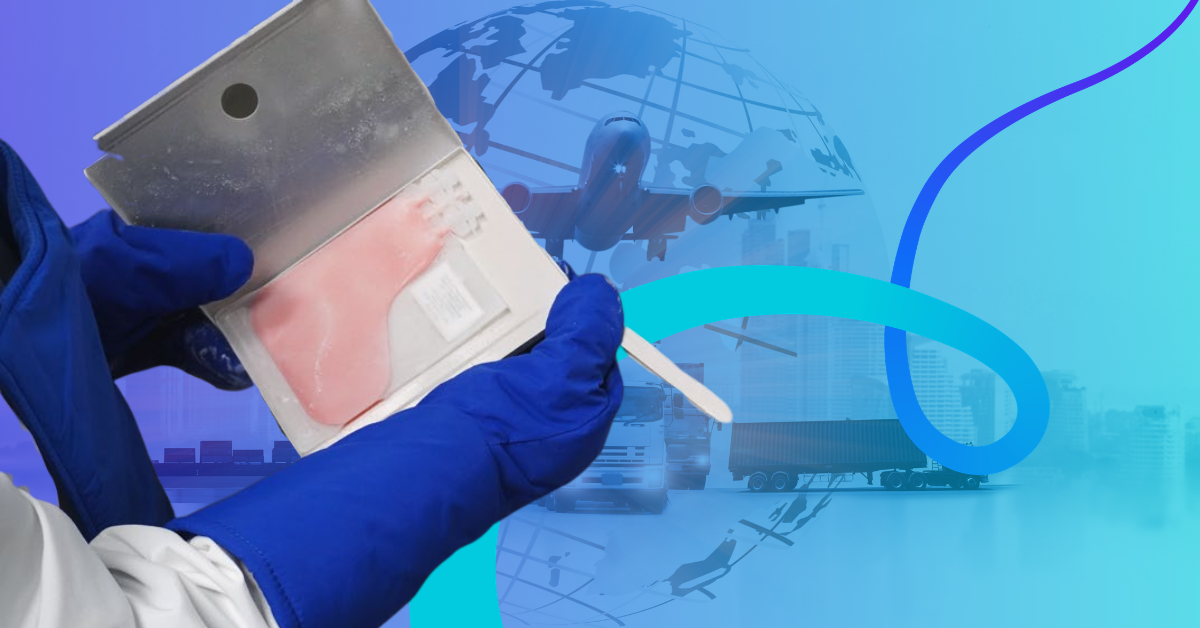
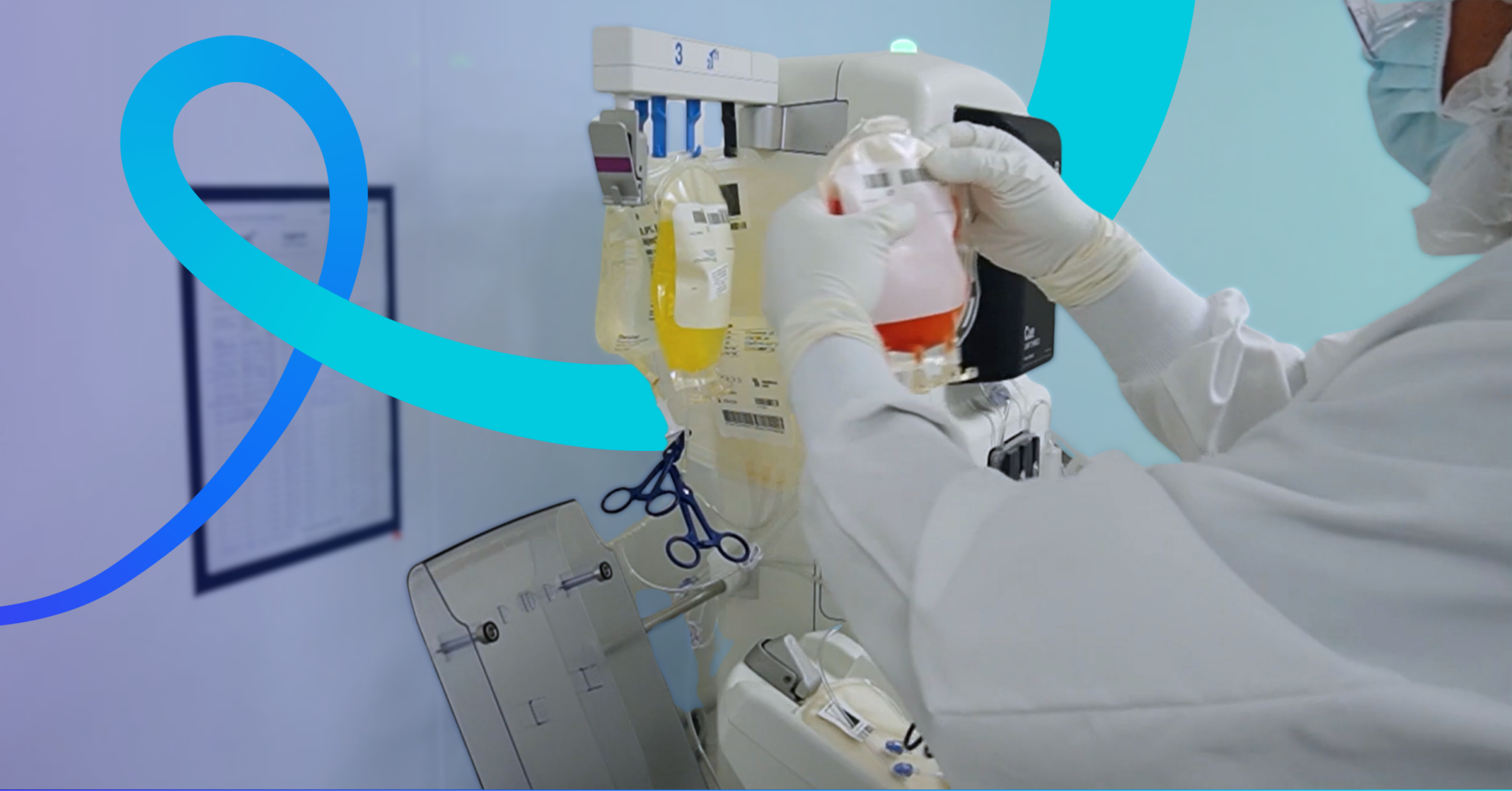
A practical example is how material and supporting components move together. In an integrated Cryoport Systems workflow, leukapheresis material is received, cryopreserved, and stored within the same quality framework that governs logistics and biostorage. When manufacturing is ready, that frozen starting material moves out of biostorage alongside a standardized manufacturing kit, coordinated as a single shipment rather than through parallel processes. Material and kit arrive under the same controls, with the same visibility, and with no need to reconcile timing or documentation across providers. That alignment is only possible when cryopreservation, kitting, biostorage, and transport are designed to function as one system rather than adjacent services.
Consulting and advisory support operates through the same integrated logic. Shipping risk assessment and lane qualification are not conducted in isolation. They are tied directly to the logistics network through which material will move. Fresh apheresis‑derived starting material enters cryopreservation through lanes that have already been qualified for that purpose, rather than adapted on the fly. When material is ready to move to manufacturing, it travels in validated shipping systems, along qualified lanes, under the same oversight that governed its earlier movement.
That continuity extends beyond manufacturing. Once drug product is released, movement to the clinical site and ultimately to patient administration occurs within the same supply chain framework, supported by standardized administration kits and validated transport pathways. The handoffs are fewer, the assumptions are clearer, and the overall system behaves predictably because it was designed to operate as a loop rather than a sequence.
This is what end‑to‑end integration looks like in practice. Cryopreservation is not simply embedded within logistics. It is coordinated with how material is prepared, how it moves, what accompanies it, and how risk is assessed at each transition point. The result is a supply chain that maintains context as faithfully as it preserves material, from bench through bedside.
Integration as a Development Decision
End‑to‑end integration is often framed as something programs address later, once scale or regulatory expectations force the issue. In reality, integration shapes development much earlier by determining how easily decisions made in one phase can be carried forward without being reinterpreted or reworked. When cryopreservation, logistics, kitting, and advisory oversight operate within a single system, the supply chain preserves not only material condition but also the documentation required to defend how that material was handled.
That continuity changes how programs move forward. Material transitions do not require parallel coordination to remain aligned. Supporting activities are introduced on the same timelines and under the same controls as the material they accompany. Risk is evaluated within the same framework that governs execution rather than addressed reactively as programs expand. The supply chain becomes something teams rely on, rather than something they continually adjust.
This distinction matters early, even when operational demands are still manageable. As development accelerates, programs rarely have the opportunity to revisit foundational choices without consequence. An integrated execution model limits how much must be revisited because fewer assumptions are left unresolved. Cryopreservation with integration supports progress instead of exposing gaps elsewhere in the system.
Treating integration as a design decision rather than an operational upgrade aligns cryopreservation with the full arc of development. When preservation, movement, and oversight are established within the same structure as part of the initial design, teams are better positioned to advance without interruption as expectations evolve. The benefit is not that complexity disappears, but that it remains controlled throughout the path from early development through patient delivery.