 Accelerate Efficiency by Decoupling Collection from Manufacturing
For many cell therapy programs, there comes a point where the manufacturing schedule stops behaving like a schedule and starts behaving more like a coordinated hold on capacity, something that can only really be maximized when collection, clinic coordination, material movement, intake, and suite readiness all happen to line up tightly enough around fresh leukapheresis-derived starting material to keep the window intact.
For programs in the early phases, this can be an easy roadblock to miss. The program is still small enough that people can compensate for it in real time. If a date moves, a handoff can be accelerated or delayed, the manufacturing slot is protected, and the program continues forward with the sense that this is simply what working with fresh material requires.
But over time, that unpredictability starts doing more than shaping the day-to-day schedule. Once manufacturing is tethered to collection timing, the calendar is set according to the tight turnaround fresh leukapheresis material requires instead of planned around the operational efficiencies and wider needs of the full end-to-end supply chain. The operating model depends on preserving a narrow execution window rather than running against a stable input.
That is where the decision to cryopreserve the leukapheresis-derived starting material can start to change the program in a meaningful way that eases scalability concerns at future growth stages. When the starting material can be cryopreserved and moved into biostorage in a controlled way, collection timing no longer dictates when manufacturing runs. And the calendar begins to behave differently. Manufacturing can be scheduled when the suite and team are ready, and for when the program itself is in a position to run against a plan that doesn’t have to be rebuilt around a fresh collection every time.
What Manufacturing Gains when Collection Stops Driving the Schedule
When programs are set up to use fresh leukapheresis as the starting material, the timing of everything that follows becomes an exercise in preserving a very narrow window of viability, typically allowing teams no more than 48-72 hours post-collection to process the material. It becomes an exercise in coordination to protect the workflow from disruption. Manufacturing slots may be reserved, but can’t always be used if upstream timing has shifted. Once the starting material has been cryopreserved and transferred to biostorage, that pressure begins to ease. Collection can be scheduled around patient needs, and manufacturing can be scheduled for optimized workflows. And the time between the two can stop functioning like a source of risk that has to be actively managed in real time.
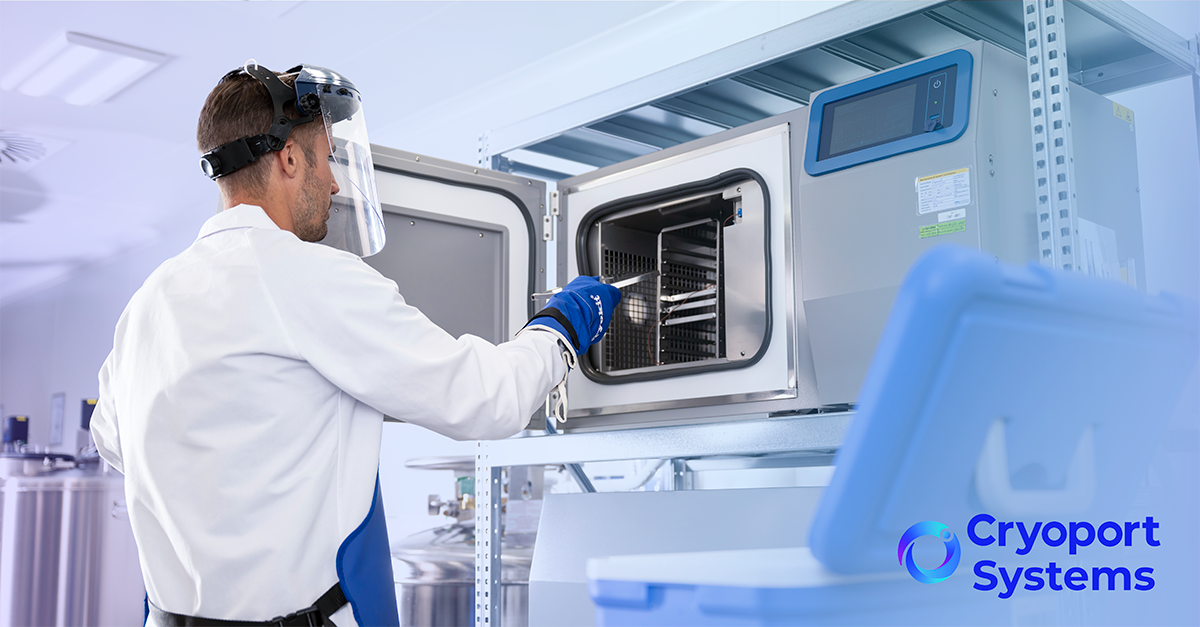
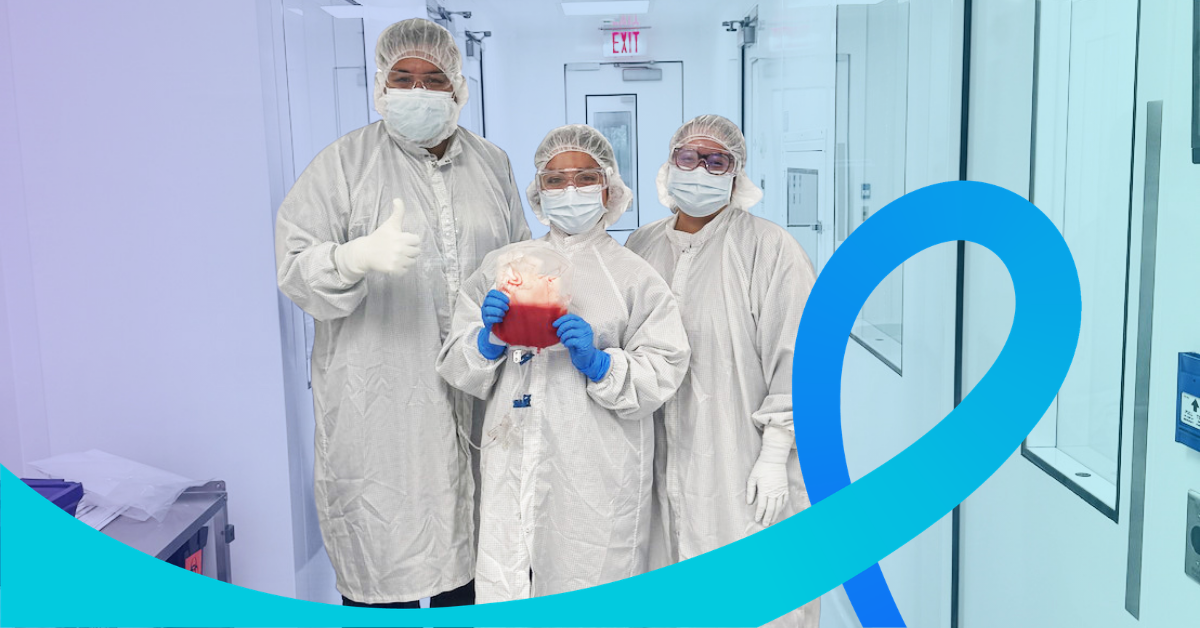
This is also where the distinction between simply freezing material and implementing a scalable cryopreservation strategy starts to matter. IntegriCell® cryopreservation services from Cryoport Systems offer standardized, GMP-aligned cryopreservation of leukapheresis-derived starting material using an automated closed process (ACP), integrated with biostorage, kit production, and logistics (alongside the full end-to-end supply chain platform) so material can move into manufacturing as manufacture-ready cryopreserved leukopaks rather than as a one-off workaround for fresh scheduling constraints. The result isn’t just preserved material, but inventory that can be planned more deliberately and used in a way that supports more predictable execution as programs move forward.
Why Scheduling Flexibility Only Matters if the Starting Material is Truly Usable
The operational advantage of frozen starting material doesn’t only come from freezing. It’s a function of whether the material is being cryopreserved in a way that actually produces a stable, manufacture-ready input that teams can plan against with confidence.
If cryopreservation introduces its own variability, or if the material still has to be reworked or handled differently from one leukopak to the next, then the scheduling issue hasn’t really been resolved, just relocated. This is why the way cryopreservation is implemented matters so much. Planning cryopreservation around a standardized, GMP-aligned workflow that leverages an ACP approach can help to reduce operator-dependent variability and support consistent manufacture-ready cryopreserved leukopaks.
Cryoport Systems further integrates cryopreservation into the full end-to-end supply chain for seamless handoff into biostorage, alongside standardized kits for collection and manufacturing, and industry-leading logistics with a wholly-owned fleet of custom-engineered shipping systems specifically designed to support advanced therapies and sensitive biological materials.
Altogether, the integrated supply chain platform approach allows preserved and stored starting material to function as a standardized input that teams can schedule around. Instead of each collection behaving like a live coordination event that has to be protected all the way into manufacturing, starting material is part of a more controlled supply model. And that’s where the operational benefit starts to truly benefit the program, not just in the ability to store starting material, but the just-in-time delivery of starting material and manufacturing kits when the manufacturing suite is ready.
The Operating Model You Build Early is the One You Eventually Scale
The way a program chooses to work with starting material early tends to become the operating model it carries forward later.
If the workflow is built around fresh leukapheresis-derived starting material, then a high degree of live coordination between collection, logistics, intake, and manufacturing starts to become embedded in the day-to-day operations of how the program runs. Early on, that can feel manageable enough. But as volume grows, patient populations and sites expand, and manufacturing demands become more structured, it quickly becomes more complex to run with the consistency required.
This is part of what makes frozen starting material a strategic decision more than a scheduling one. It shapes the operating model before it gets locked in, or if you’re already at a milestone that’s requiring scale, comparability studies can help to reshape the operating model into one that better suits the stage of growth you’re in as you progress to the next milestone.
When leukapheresis-derived starting material is cryopreserved within a standardized, GMP-aligned process and integrated into the greater end-to-end supply chain, the program no longer ties collections to manufacturing within the time-bound limitations of cellular viability. Cryoport Systems has built a flexible, integrated supply chain for exactly that kind of structure. Automated, closed process cryopreservation of leukapheresis-derived starting material that’s integrated with biostorage, logistics, and broader end-to-end supply chain support so programs can work with manufacture-ready cryopreserved leukopaks that provide a more controlled operational framework.
This offers a more scalable way of working before programs reach the phase where inefficiency becomes expensive to revisit and rework. Instead of building workflows around the fragility of fresh materials (and eventually trying to solve timing issues in later phases), teams can begin with an integrated and intentional model that already decouples collection from manufacturing and supports more deliberate scaling.
Fresh leukapheresis-derived starting material has shaped cell therapy operations for long enough that many teams still treat its scheduling demands as part of the cost of doing business. But that creates a roadblock as the program starts to require more structure and repeatability, and has less room to allow for constant adjustment.
Freezing starting material changes more than storage conditions. It changes whether collection timing dictates manufacturing runs, and whether the program as a whole can operate around readiness rather than reaction. When a program shifts to cryopreserving starting materials, and does so within a standardized, GMP-aligned ACP that’s fully integrated alongside biostorage, logistics, and the broader supply chain, the efficiency gain becomes a stable way to build manufacturability from the start. Cryoport Systems offers exactly that, helping programs move away from fresh-driven scheduling constraints and toward a more predictable path for manufacturing execution as they grow.