
Articles Archives
Articles
08/17/2026
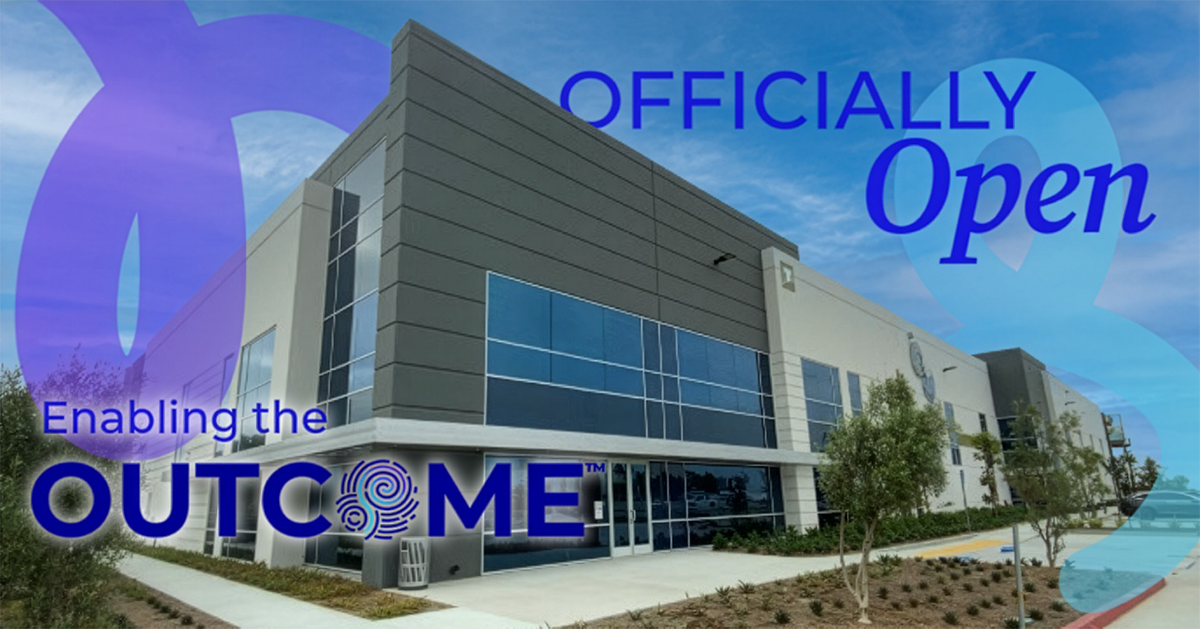
Cryoport Systems Officially Opens New Global Supply Chain Center in Santa Ana, California
Cryoport Systems, a global leader in temperature-controlled supply chain solutions for the life sciences industry, today announced the official opening of its new Global Supply Chain Center (GSCC) in Santa Ana, California. The 86,500-square-foot facility strengthens global logistics infrastructure and establishes a foundation for future growth.
Supply Chain
08/03/2026
Streamline Cell Therapy Operations by Reducing Requalification
Advancing a cell therapy program into late-stage clinical development is an exciting milestone, but operationally complex. As organizations prepare to expand manufacturing capacity or onboard additional clinical sites, scaling operationally can be just as demanding as advancing the science. One of the most overlooked obstacles is requalification. While qualification activities are a necessary component of maintaining quality and regulatory compliance, repeated requalification events consume significant time and budget. Straightforward expansion efforts can quickly become a series of validation exercises and cross-functional reviews that extend timelines and increases costs.
Supply Chain
08/01/2026
The Fast Track to Global Expansion: Consistency Across Every Site
For cell and gene therapy developers, expansion is rarely as simple as adding a new country or introducing a new logistics lane. What appears to be a straightforward geographic scale-up often triggers operational and quality challenges through supplier requalification, packaging validation reviews, local process assessments, documentation updates, and regulatory scrutiny. Systems that must be rebuilt every time new market entry is desired slows progress and, as clinical trials become increasingly global, organizations need infrastructure that scales with them.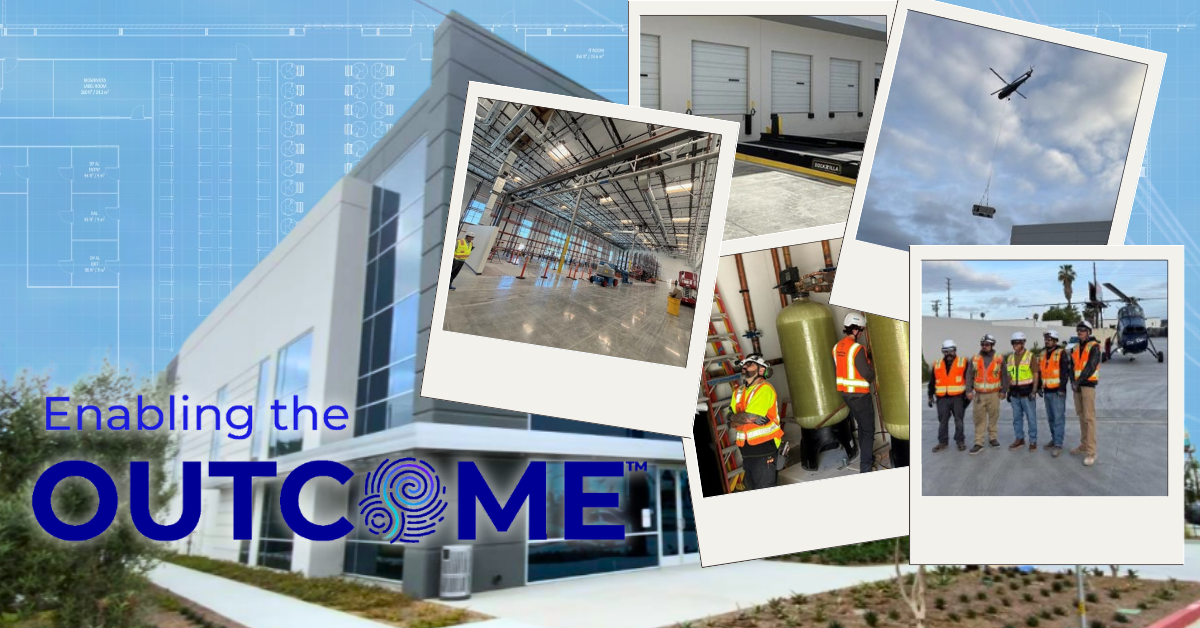
Articles
07/21/2026
What it Takes to Launch a Modern Supply Chain Operation
As we move closer to launch on August 17, 2026, the Santa Ana facility is transitioning from a construction project to an operational asset representing a milestone that required months of coordinated work across engineering, facilities, operations, product, quality, IT, and supply chain teams. A facility may represent the physical footprint, but true operational readiness is measured by systems, processes, people, equipment, compliance, and execution.
Articles
07/20/2026
Expert Q&A: Going Deeper on Early Supply Chain Strategy for CGT Programs
Advanced therapy developers rarely have the luxury of perfect timing. Programs are often moving toward the next milestone with limited resources, data that’s evolving in real time, and pressure to make decisions before every variable is fully understood. That reality was at the center of the recent webinar, “Prevent Advanced Therapy Program Delays with Early Supply Chain Strategy,” where panelists discussed how early decisions around logistics, cryopreservation, packaging, site readiness, documentation, and cross-functional alignment can influence everything downstream.
Managing the Cold Chain
07/07/2026
Expand Trial Footprints Without Expanding Cryopreservation Risk
For many cell therapy programs, the move from fresh to frozen starting material is treated as the moment when variability starts to come under control. And in many ways, that’s true. Fresh leukapheresis-derived starting material is inherently difficult to build around. It is biologically active, time-sensitive, and highly dependent on how quickly and consistently it can move from collection into the next step of the process. Even under strong operational oversight, additional variables around timing, handling, transport duration, pre-processing wait time, and local execution can all influence the condition of the material before manufacturing ever begins.
Managing the Cold Chain
07/07/2026
When Local Variation Becomes Global Risk in Phase III
By the time an advanced therapy program reaches Phase III, the supply chain is no longer being judged only by whether material can move from one point to another. It is being judged by whether that movement can be repeated across sites, regions, service providers, and regulatory environments in a way that produces a consistent and defensible record of execution.
Managing the Cold Chain
07/07/2026
“Regulatory Readiness is Built Early” and Other Lessons for CGT Developers
Advanced therapy developers are used to making hard decisions under pressure. In early development, the priority is often clear: reach the clinic, generate meaningful data, and keep the program moving. This was the central theme of the recent webinar, “Prevent Advanced Therapy Program Delays with Early Supply Chain Strategy.” The expert panel explored why early supply chain decisions deserve strategic attention long before a program reaches pivotal trials or filing preparation.
Articles
07/06/2026